


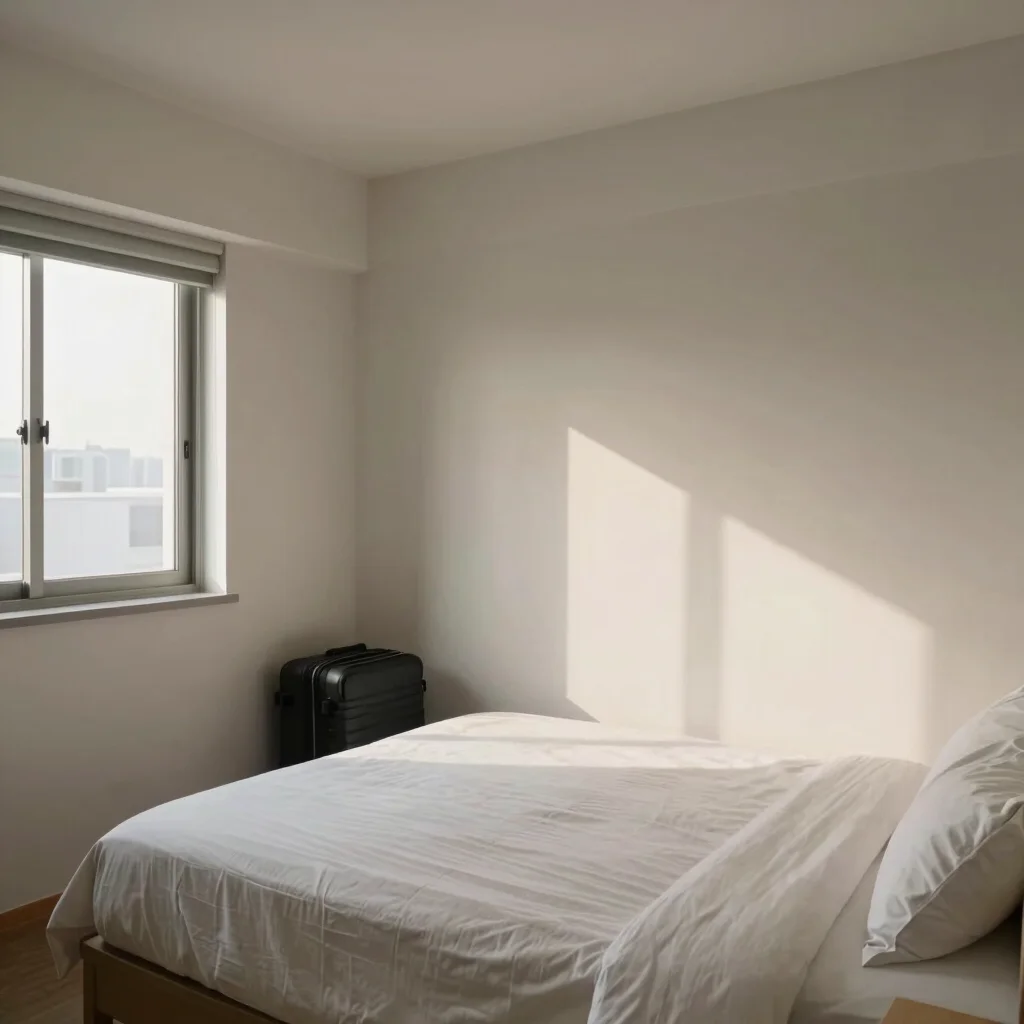
Two Seoul accommodations can both be called “central” and still make very different trips. Choose a base around the places you actually plan to visit, then check the door-to-platform walk and your late-night return—not just the neighborhood name.
Match the base to the plan
Myeongdong can suit an itinerary with shopping and central sights, while a stay near Anguk or Jongno can shorten the trip to parts of the historic center. Hongdae, around Hongik University Station, connects to several rail lines and has a lively evening scene.
Those are starting points, not guarantees that a particular hotel is convenient. Open the accommodation’s exact address in a local map app and compare it with your first two or three destinations, especially if you expect to travel across Seoul each day.
Check the last stretch
Look beyond the nearest station label. A listing may involve a steep street, stairs, a long station corridor, or a walk that feels different with suitcases and rain.
Check whether the route from the station has an elevator if that matters for your group or luggage. Save the Korean address and the accommodation’s entrance location so you can show a driver or confirm the final turn after a late arrival.
Read the room details
Photos are useful, but look for the practical details too: room size, bed arrangement, bathroom setup, luggage storage, check-in hours, and whether the room is reached by stairs. These details matter more after a long flight than a carefully staged lobby photo.
Before booking, check the cancellation terms and contact the property if an essential detail is unclear. A good Seoul base is the one that fits your routes and arrival needs—not automatically the one with the most familiar district name.