


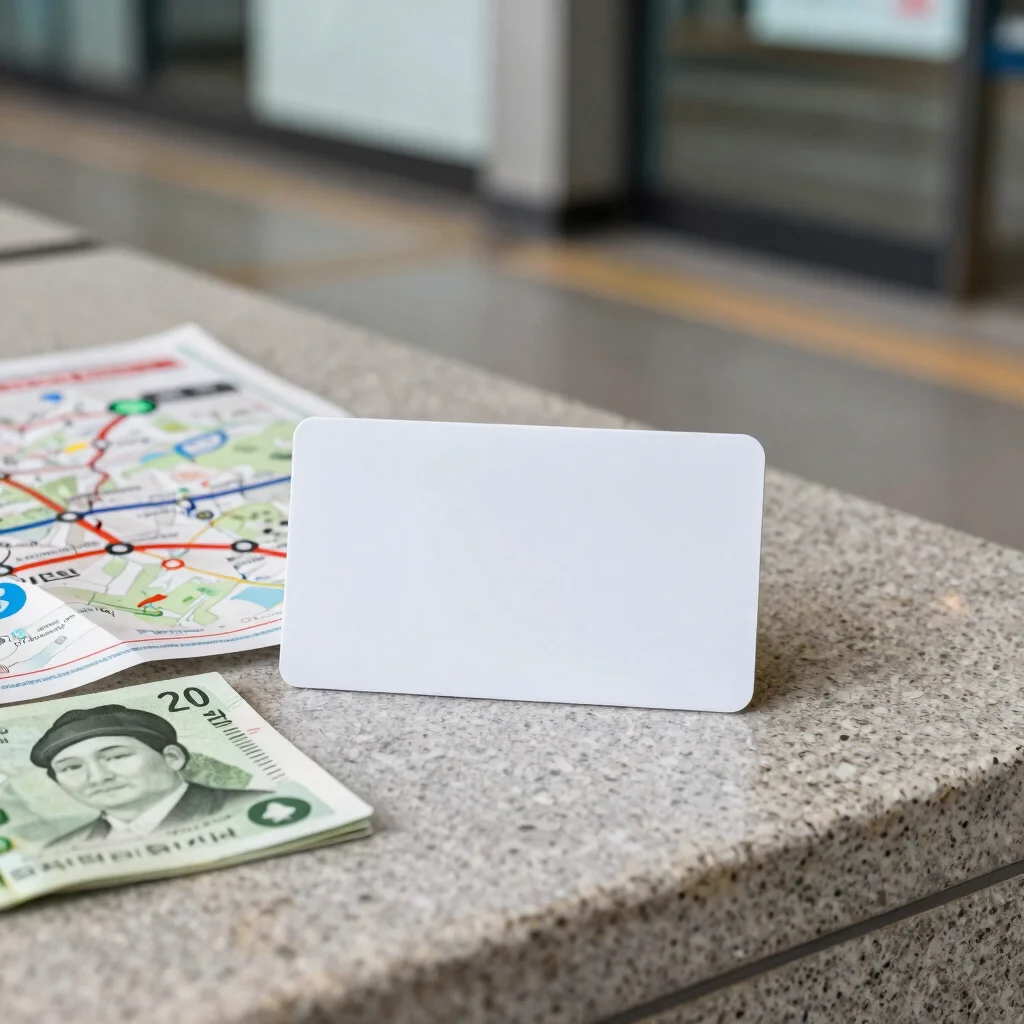
The first time you reach a Seoul subway gate, the signs, ticket machines, and payment choices can feel like a lot to sort out at once. A rechargeable transit card such as T-money is a practical option for many local subway and bus journeys, as long as you plan how to load it.
Get a card and top it up
T-money cards are commonly sold at convenience stores and at some transit stations. Availability and vending-machine options can vary, so ask at a staffed counter or check the station machines rather than assuming every location has the same setup.
Top-ups are commonly made with cash at convenience stores or compatible station machines. Keep some Korean won available for this; do not assume an international bank card will work for reloading just because it works for other purchases.
Tap in and out
On the subway, tap the card reader when entering and again when exiting. On buses, tap when boarding and tap again as you leave, particularly if you may transfer to another bus or the subway.
Listen for the reader’s confirmation and keep the card easy to reach. If the gate does not respond, pause and check the balance or ask station staff for help instead of tapping several cards together.
Keep another option ready
A transit card is not the same as a general-purpose payment card, and international contactless cards are not a dependable replacement for a local transit card on every journey. Carry a bank card for other purchases and a modest cash backup for top-ups or places that do not accept your preferred payment method.
Before leaving your hotel, check the route in a local navigation app and confirm that your card has enough balance for the trip. That small pause makes the station routine much clearer: know the line, know where to tap, and have a backup if payment does not go as expected.