


Korea Emergency Numbers for Tourists (2026): 112, 119, 1330, 1339 and What to Say
October 16, 2026 | by Korea Bestie

Updated 27 November 2026 · By the Korea Bestie team
Korea is one of the safest countries to travel in, but save these emergency numbers in your phone before you go. The two emergency numbers work from any phone, including foreign SIMs, and English help is available.
Last checked: October 2026. Hotline hours change from time to time; the emergency numbers 112 and 119 always work.
🇰🇷 Checked against Korean official sources · October 2026
⚡ Quick answer · key facts
- Police 112. Fire and ambulance: 119. Both are free from any phone, including foreign SIMs.
- Tourist help in English 1330 (Korea Travel Hotline), 7 a.m. to midnight, eight languages.
- Medical advice, 24 hours 1339 (Korea Disease Control and Prevention Agency), with interpreter calls.
- Immigration and visas 1345, 20 languages (English until 10 p.m. on weekdays).
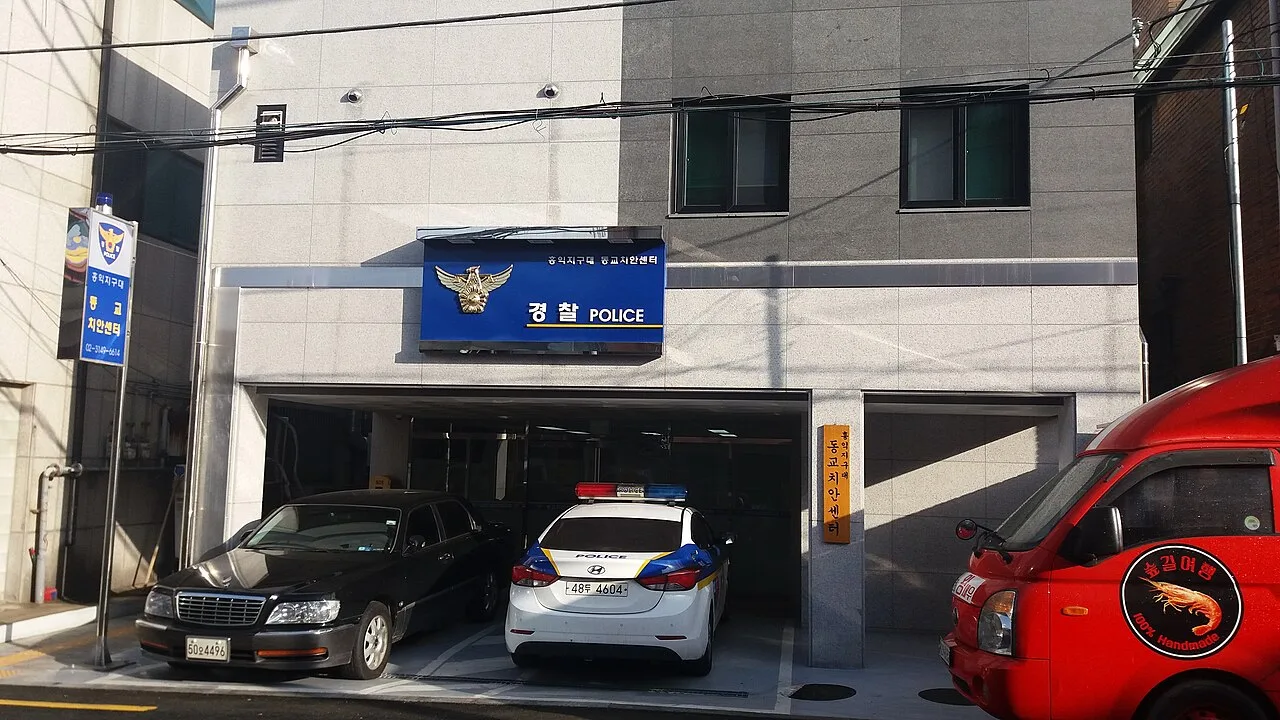
Table of contents
Which number should I call in Korea?
| Number | For | Hours |
|---|---|---|
| 112 | Police: crime, theft, assault, a lost child, traffic accidents | 24 hours |
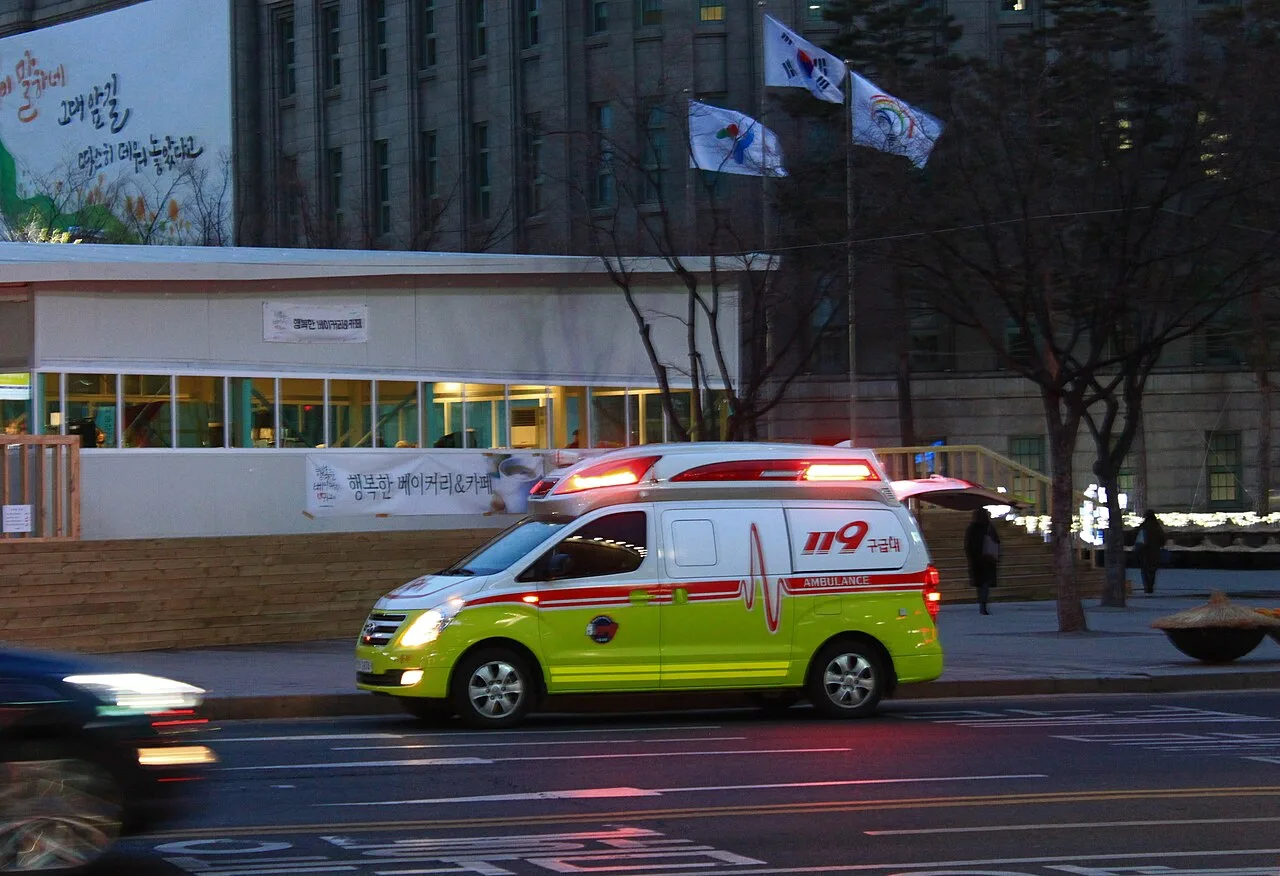
| 119 | Fire, ambulance, rescue: any medical emergency | 24 hours |
| 1330 | Korea Travel Hotline: tourist information, complaints, help with interpretation | 7 a.m. – midnight |
| 1339 | Medical advice and infectious diseases (KDCA): whether you need the ER, where to go | 24 hours |
| 1345 | Immigration Contact Center: visas, lost passports, dealing with officials | Weekdays 9 a.m. – 6 p.m. (English, Chinese, Korean until 10 p.m.) |
Rule of thumb: if someone is hurt or in danger, call 112 or 119 first, even if you don’t speak Korean. For everything else, start with 1330.
What if I don’t speak Korean?
You can still get help. Say “English, please” slowly and stay on the line. Police and fire services can bring an interpreter into the call, and 1330 can join a three-way call to interpret for you. 1339 also offers interpreter calls when you’re deciding whether to go to an emergency room.
A few phrases help while you wait:
- 도와주세요 (dowajuseyo): “Please help me.”
- 구급차 불러 주세요 (gugeupcha bulleo juseyo): “Please call an ambulance.”
- 경찰 불러 주세요 (gyeongchal bulleo juseyo): “Please call the police.”
- 영어 할 수 있는 사람 있어요? (yeongeo hal su inneun saram isseoyo?): “Is there someone who speaks English?”
How do I explain where I am?
The operator’s first question is “where are you?” Have an answer ready:
- Subway: the station name and exit number (for example, “Myeongdong Station, Exit 6”).
- Street: the nearest big building, convenience store or bank sign. Open Naver Map, tap your blue location dot, and read out the Korean address, or show it to someone nearby.
- Hotel: keep your hotel’s name and address in Korean saved on your phone.
What should I do if I lose something?
- On the subway or bus: note the time, line and car number, and ask station staff. Seoul runs a lost-and-found system for public transport.
- In a taxi: a card receipt helps identify the cab. Kakao T rides can be traced in the app.
- Anywhere else: Korea’s police run a national lost-and-found site, LOST112, where items handed in to police and many transport operators are listed. Searching in Korean works best, so ask your hotel for help.
- Passport: report the loss at the nearest police station (you’ll get a report for your embassy), then contact your embassy for an emergency passport. For questions about your entry status, call 1345.
- Phone: call your own number from a friend’s phone first. Found phones are often handed to the nearest police box or shop staff.
Where can I get medicine or see a doctor at night?
- Pharmacies (약국) are everywhere. Look for the green cross or “약” sign. Basic medicines don’t need a prescription.
- At night: local governments designate public late-night pharmacies (공공심야약국), usually open from about 10 p.m. to midnight or later. Search “공공심야약국” in Naver Map, or call 1339 to find one.
- Convenience stores (open 24 hours) sell basic over-the-counter medicine such as fever reducers, cold remedies, digestive aids and pain-relief patches. There’s no pharmacist to ask, so see a doctor if you don’t improve.
- Children: “Moonlight Children’s Hospitals” (달빛어린이병원) are designated to treat children at night and on holidays.
- Large hospitals in Seoul run international clinics with English-speaking staff, usually on weekdays. For chest pain, trouble breathing, heavy bleeding or a serious injury, go straight to an emergency room or call 119.
- Travel insurance is strongly recommended: a hospital visit without it can get expensive.
🧮 Plan it: Korea Travel Budget Calculator · Korea Travel Prices
FAQ
Can I call 112 or 119 from a foreign phone number?
Yes. Both are free and work from foreign SIMs and eSIMs as well as Korean numbers.
Is 1330 open 24 hours?
Not at the moment. The Korea Tourism Organization lists 7 a.m. to midnight, in eight languages including English, Japanese and Chinese. At night, call 112 or 119 for emergencies and 1339 for medical advice.
Do I need travel insurance for Korea?
It’s strongly recommended. Emergency care is good, but you pay for hospital treatment as a visitor.
Is Korea safe for tourists?
Yes, violent crime against visitors is rare. The everyday risks are traffic (watch for scooters on pavements), slippery stairs in rain and snow, and losing things on the subway.
Plan the rest of your trip
- eSIM vs SIM card — make sure you can call
- Essential Korea travel apps — Papago helps with translation
- Incheon Airport to Seoul — arriving in Korea
Free: Seoul in 3 Days planner (PDF)
A 4-page printable plan with timings, closed days, Korean names to show taxi drivers, a budget and rainy-day swaps. Enter your email and we’ll send it, plus occasional new Korea guides (unsubscribe anytime).
Sources: VisitKorea – Korea Travel Hotline 1330 (official) · Korea Times – Sick in Korea after hours (Mar 2026) · NZ Embassy – Emergency numbers in Korea · LOST112 (Korean National Police)
Photos: 95016maphack / Wikimedia Commons, CC0 · Kevin.B / Wikimedia Commons, CC BY-SA 4.0
RELATED POSTS
View all


WOWPASS Exchange Rate (2026): How Top-Ups Work, Fees and Whether It’s a Good Deal
November 4, 2026 | by Korea Bestie
K-ETA Korea (2026): Who’s Exempt Until December 31, How to Apply and What About 2027
November 1, 2026 | by Korea Bestie

Seoul in February (2027): Weather, What to Wear, Seollal and Things to Do
November 27, 2026 | by Korea Bestie