

Money in Korea (2026): WOWPASS, Foreign Cards, Cash and Where to Exchange
October 16, 2026 | by Korea Bestie

Updated 26 November 2026 · By the Korea Bestie team
Money in Korea is mostly cashless: cards are accepted almost everywhere, from convenience stores to taxis. But a few things still trip visitors up. Some apps reject foreign cards, transit cards need cash to top up, and street food stalls may be cash only. Here’s the simple setup that covers everything.
Last checked: October 2026.
⚡ Quick answer · key facts
- Cards Visa and Mastercard work almost everywhere, including taxis and convenience stores.
- Cash carry about 50,000–100,000 KRW for markets, street food and topping up transit cards.
- WOWPASS a prepaid card for visitors (about 5,000 KRW to issue) that works for payments and as a transit card.
- Exchange change a little at the airport, the rest at licensed money changers in Myeongdong.
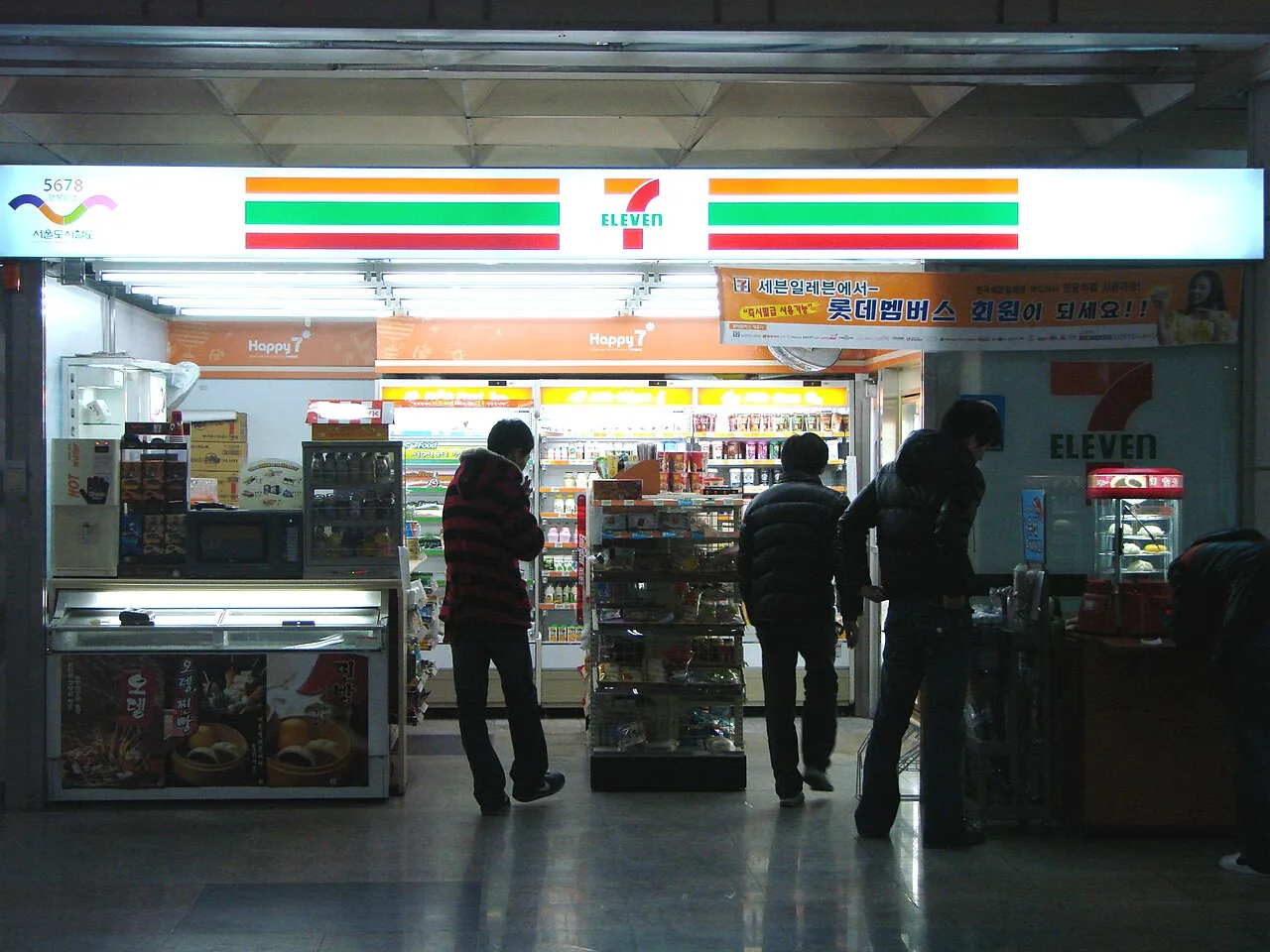
Table of contents
What do I need to pay for things in Korea?
- A Visa or Mastercard (ideally with no foreign transaction fees) for shops, restaurants and taxis.
- A T-money card or a WOWPASS for subways and buses.
- About 50,000–100,000 KRW (~$38–75) in cash for markets, street food and topping up transit cards.
Where do foreign cards work in Korea?
- Works: most shops, cafés, restaurants, convenience stores, department stores and taxis.
- Often doesn’t: some Korean apps and websites (delivery, ticketing), some kiosks, and traditional market stalls.
- Transit gates generally don’t accept foreign cards directly, so use T-money or WOWPASS.
How does WOWPASS work?
- A prepaid card for foreigners that combines currency exchange, payment and a T-money function.
- Get it from WOWPASS machines at the airport, hotels and subway stations by scanning your passport. Load it with cash in your home currency (USD, EUR, JPY and more) or in won.
- Pay with it like a debit card in shops, and tap it on subways and buses.
- Check the current issuance and withdrawal fees on the official site, since they change.
Where is the best place to exchange money?
- Airport rates are convenient but usually worse. Change a small amount there.
- Licensed money changers in Myeongdong are known for competitive rates. Compare two or three.
- Bank ATMs marked “Global” or “Foreign Card” accept international cards.

WOWPASS fees and exchange rate
- Card fee: about 5,000 KRW when you get the card from a machine (check the screen, it changes).
- Exchange rate: WOWPASS sets its own real-time rate, shown in the app and on the machine before you load money. It’s competitive but not always the best in town, so compare it with a Myeongdong money changer if you’re loading a lot.
- Leftover money: you can withdraw the remaining balance in won at WOWPASS machines in the city (a small flat fee applies). Do this before heading to the airport, since airport machines may not pay out cash.
- Transit: the T-money part of the card is topped up separately, with cash at station machines or convenience stores. See how to top up T-money.
Can I use ATMs in Korea?
Yes, but not every ATM. Look for machines labeled “Global ATM” or showing Visa, Plus, Mastercard or Cirrus logos, usually at bank branches, airports and some convenience stores. Expect a fee of a few thousand won per withdrawal from the Korean ATM on top of your own bank’s charges, so take out larger amounts less often.
Which setup is right for you?
| You are… | Simplest setup |
|---|---|
| On a short trip with a no-fee card | Your card for almost everything + T-money for transit + a little cash |
| Paying with cards that charge foreign fees | WOWPASS loaded with cash in your home currency |
| Shopping a lot in markets | More cash (100,000 KRW+), changed in Myeongdong |
| Staying for weeks | WOWPASS or a no-fee travel card, plus a Global ATM for cash top-ups |
Plan your budget: not sure how much money to bring? Get a range for your own trip with our Korea travel budget calculator →
Money tips
- Tipping isn’t expected in Korea, in restaurants, taxis or hotels.
- If a card terminal offers to charge you in your home currency, choose won. The home-currency option uses a worse rate.
- Prices on menus and tags include tax. What you see is what you pay (unless you claim a tax refund).
- Small bills (1,000 and 5,000 won) are handy for street food and market stalls.
🧮 Plan it: Korea Travel Prices · Korea Travel Budget Calculator
FAQ
Is Korea cashless?
Nearly. You can travel mostly on cards, but keep some cash for markets, street food and recharging transit cards.
Do Korean taxis take foreign cards?
Most do, by tapping or inserting the card on the payment terminal. Keep some cash as a backup late at night.
Is WOWPASS worth it?
It’s worth it if your cards charge foreign transaction fees or you want one card for paying and riding transit. With a no-fee card, a plain T-money card is enough.
Is tipping expected in Korea?
No. Tipping isn’t customary in restaurants or taxis.
Can I use Apple Pay?
Acceptance is growing but not universal. Carry a physical card too.
Plan the rest of your trip
- T-money card guide — transit payments
- Korea tax refund guide — get VAT back on shopping
- Myeongdong luggage storage — stash bags while you shop
- Essential Korea travel apps — payment and transport apps
Free: Seoul in 3 Days planner (PDF)
A 4-page printable plan with timings, closed days, Korean names to show taxi drivers, a budget and rainy-day swaps. Enter your email and we’ll send it, plus occasional new Korea guides (unsubscribe anytime).
Sources: Trazy – WOWPASS prepaid card · Trazy – WOWPASS · Cities Insider – money in Korea
Photos: 바리반디 at Korean Wikipedia / Wikimedia Commons, CC BY-SA 2.0 kr · lazy fri13th / Wikimedia Commons, CC BY 2.0
RELATED POSTS
View all


Seoul Taxi Overcharging (2026): How to Avoid Taxi Scams and Report a Driver
October 26, 2026 | by Korea Bestie

Tipping in Korea (2026): Do You Tip in Restaurants, Taxis and Hotels?
November 16, 2026 | by Korea Bestie
WOWPASS Exchange Rate (2026): How Top-Ups Work, Fees and Whether It’s a Good Deal
November 4, 2026 | by Korea Bestie