


Jeju in Winter (2026–27): Weather, Snowy Hallasan, Tangerine Picking and Camellias
October 27, 2026 | by Korea Bestie
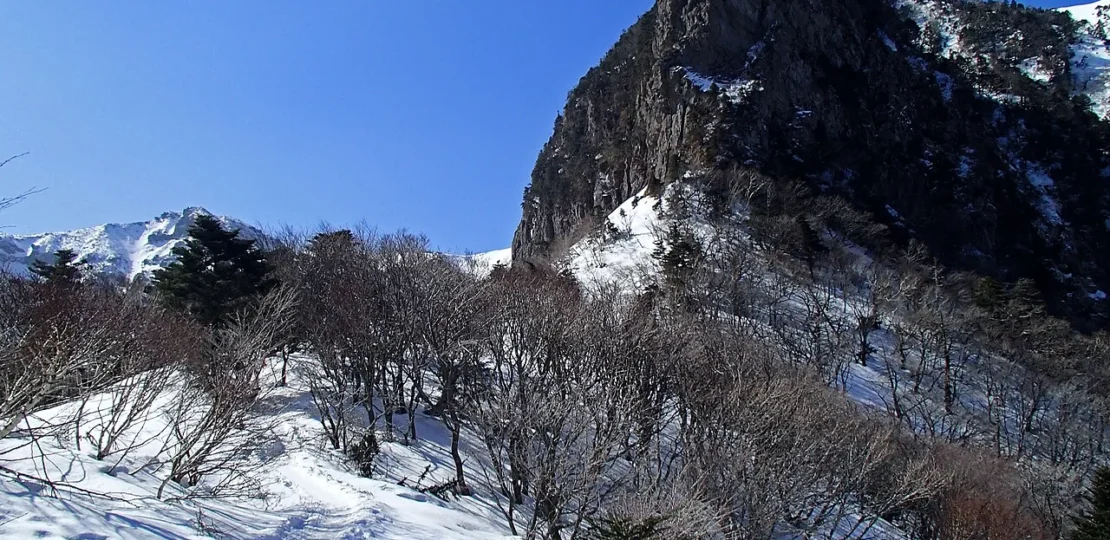
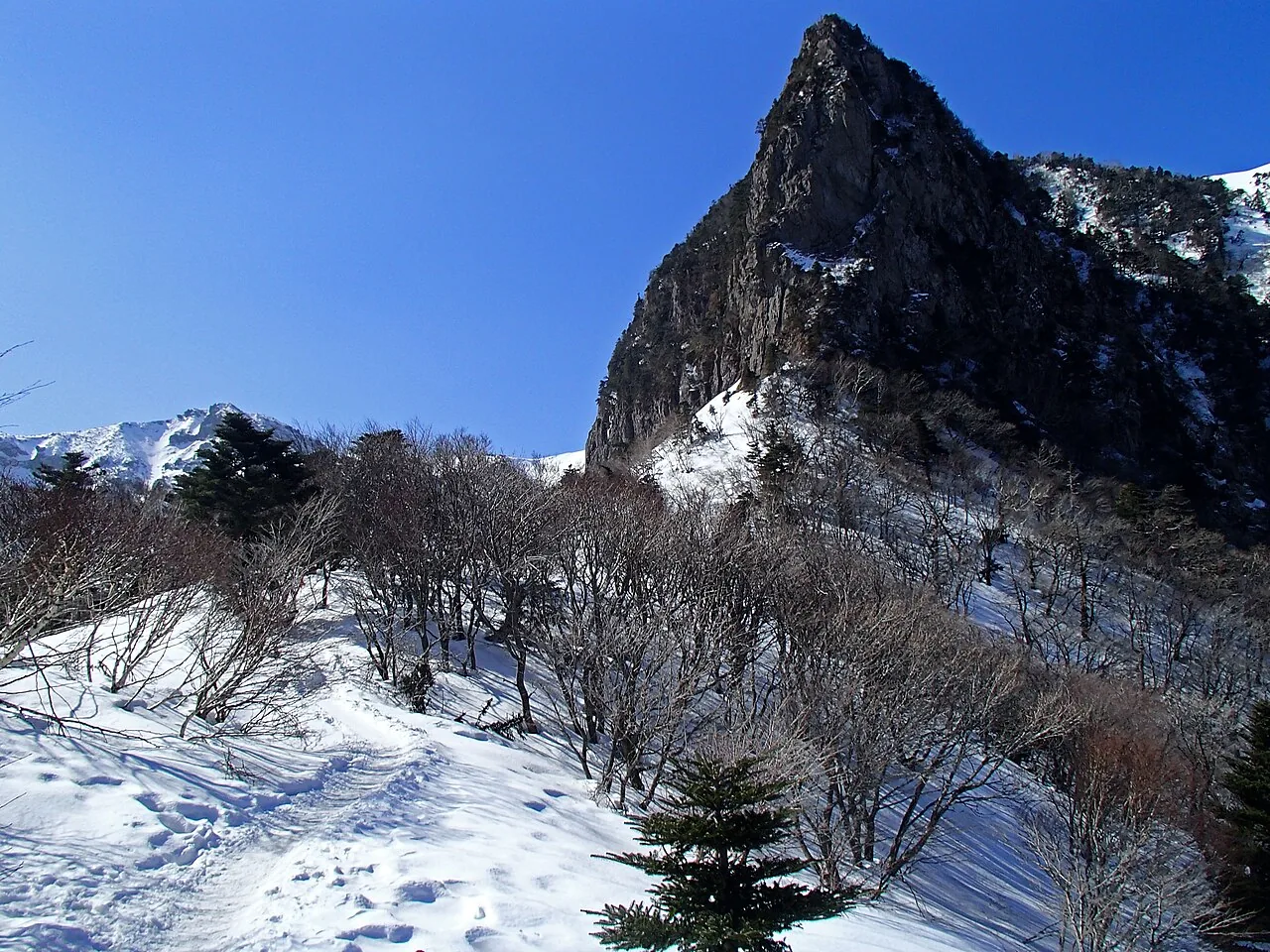
Jeju, Korea’s volcanic island off the south coast, is the mildest place in the country in winter, yet its mountain, Hallasan, is snow-capped for months. That contrast is the appeal: hike through snow in the morning, pick tangerines in the afternoon and watch camellias bloom by the sea. It’s also quieter and cheaper than in summer. Here’s how to plan a winter trip.
This guide contains affiliate links. If you book through them, we may earn a small commission at no extra cost to you. Affiliate disclosure.
Last checked: October 2026. Hallasan trail rules change by season; check the national park’s official site before you hike. Dollar figures use about 1,330 KRW = 1 USD (October 2026).
Quick answer
- Weather: January averages around 6°C (43°F) on the coast, often windy and grey; much colder with snow on Hallasan.
- Highlights: snowy Hallasan hikes, tangerine picking (roughly November–January), camellia gardens (December–March) and sunrise at Seongsan Ilchulbong.
- Getting there: flights from Seoul Gimpo take about 1 hour 10 minutes and run all day.
- Getting around: a rental car is easiest; buses work but are slow between sights.
- Hallasan in snow: crampons are required, and summit trails close to new entries from late morning.
On this page
First time in Korea? Start here: our step-by-step guide from landing to your first day.
What is Jeju like in winter?
The coast stays above freezing most days, with averages around 6°C in January, but strong sea winds make it feel colder, and skies are often cloudy on the north side. Snow is rare at sea level but common on Hallasan, where conditions are fully wintry. Southern Seogwipo is usually a little milder and sunnier than Jeju City in the north. Pack a windproof jacket and warm layers rather than a heavy city coat.
Can I hike Hallasan in winter?
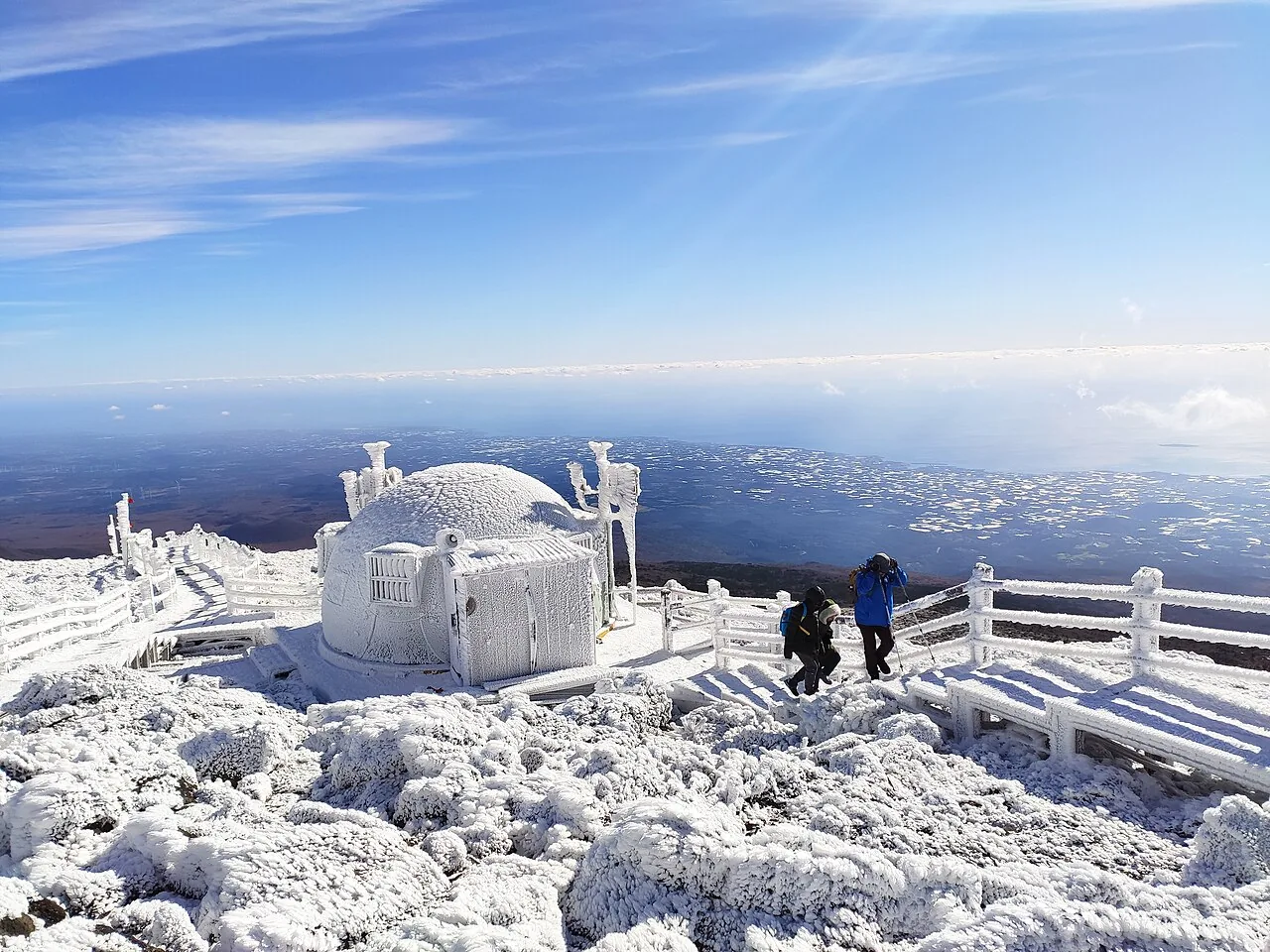
Yes, and the snow scenery is the reason many people visit in winter, but treat it as a real mountain hike:
- Trails: only Seongpanak and Gwaneumsa reach the summit crater, Baengnokdam; Eorimok and Yeongsil are shorter routes to the Witse Oreum shelter with great snow views.
- Reservations: summit trails have used an online reservation system in recent years, but the rules have changed between seasons. Check the official Hallasan National Park site before you go.
- Crampons are mandatory in snow; rangers can turn you away without them. Buy or rent them before the trailhead.
- Cut-off times: summit trails stop admitting hikers from late morning, and everyone must leave the summit by early afternoon. Start early.
- Time: a summit round trip takes 8–9 hours; the Yeongsil route to Witse Oreum takes about 4–5 hours round trip.
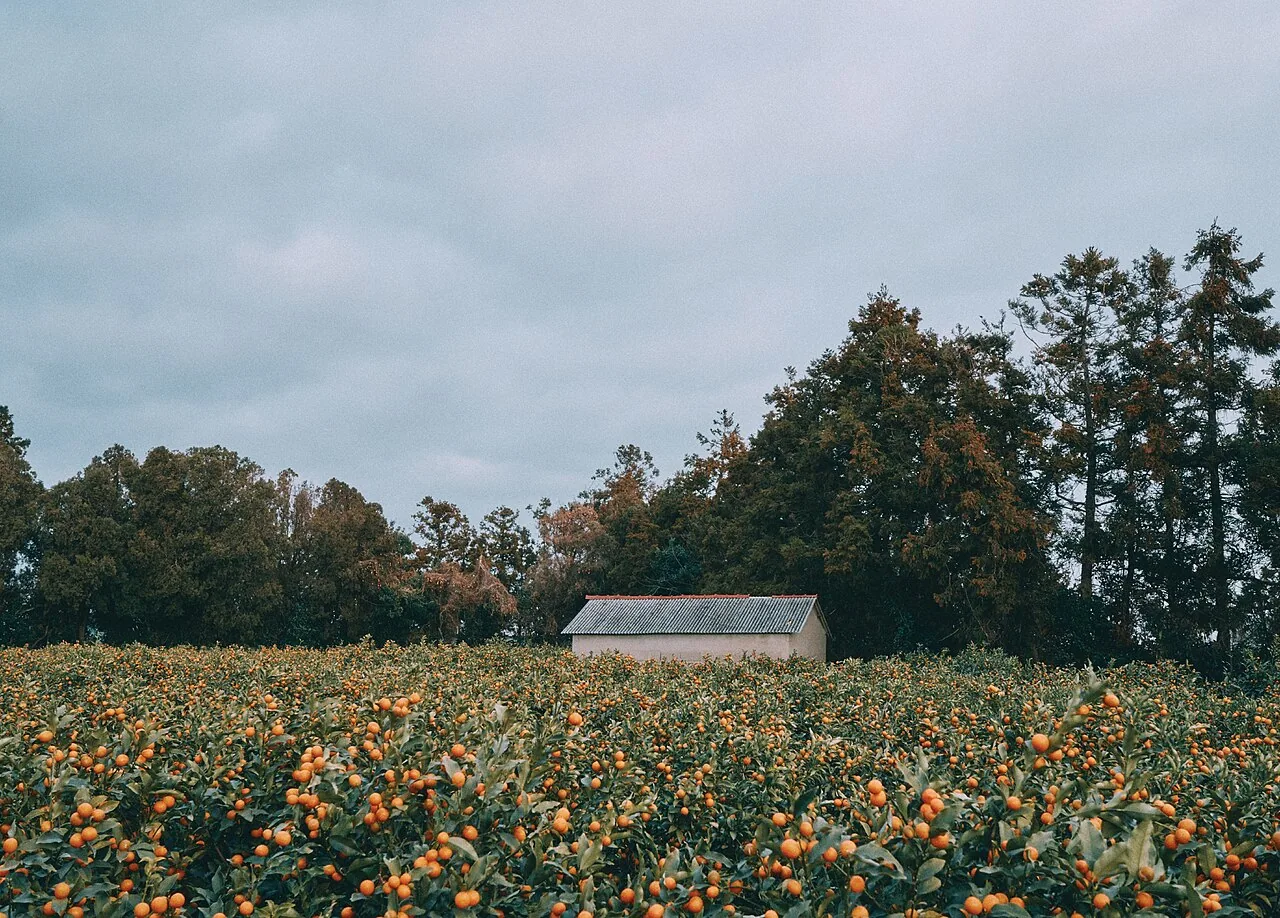
Where can I go tangerine picking?
Jeju is famous for its tangerines (gamgyul, 감귤), harvested from roughly November to January. Many farms, especially around Seogwipo, open their orchards to visitors: you pay a small fee, pick a bag to take away and often eat as many as you like on the spot. Search “감귤따기” in Naver Map for farms near where you’re staying and check opening days; it’s weather-dependent, so call or message ahead in rain.
When do camellias bloom in Jeju?
Red and pink camellias (동백) bloom from about December to March, peaking in mid-winter. Camellia gardens in the south of the island, such as Camellia Hill, are the classic place to see them, and there are wild camellia groves along the coast. Combine a garden with nearby tea fields and beaches on the south side.
Is Seongsan Ilchulbong worth it in winter?
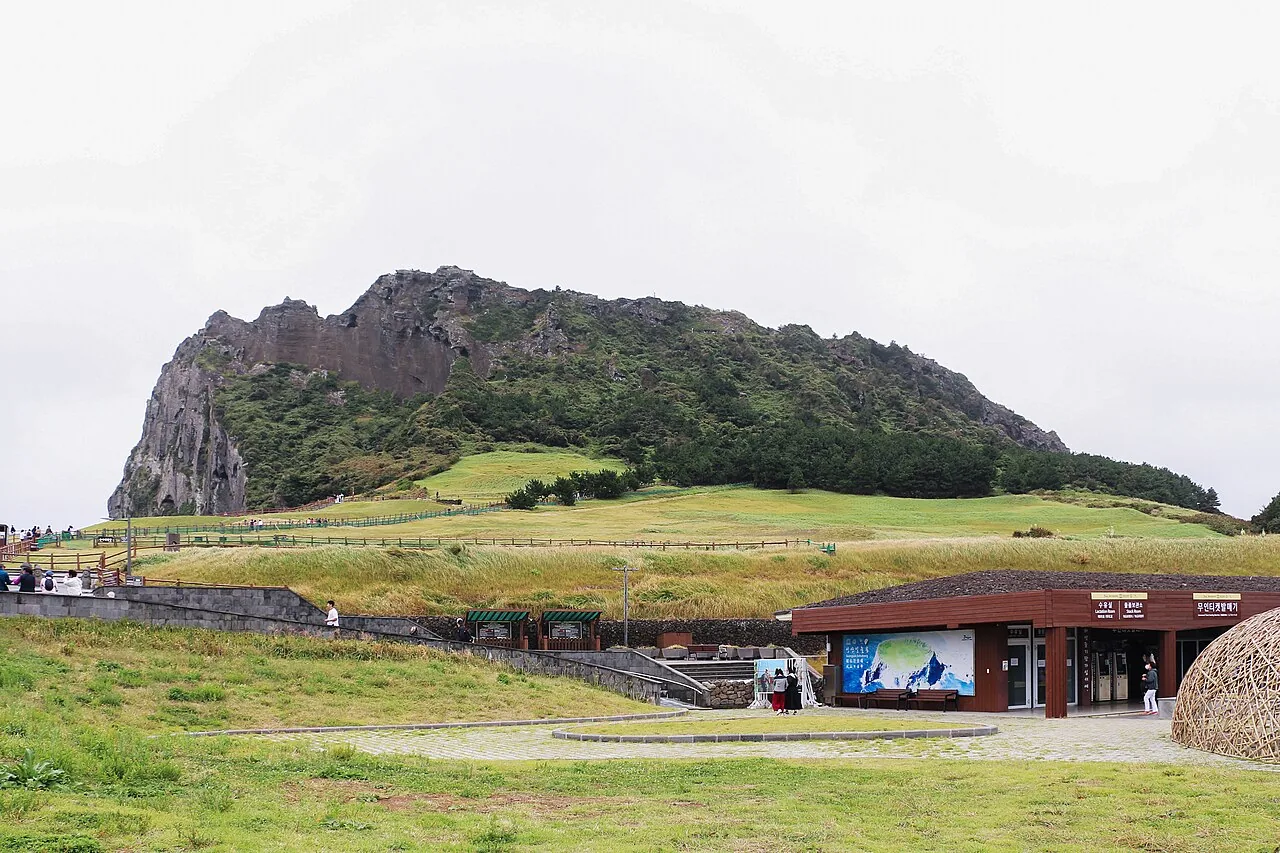
Yes. Seongsan Ilchulbong (성산일출봉), “Sunrise Peak”, is a volcanic tuff cone on the east coast and a UNESCO site. Winter sunrises come late (around 7:30 a.m.), so it’s an easy early start, and the climb takes about 20–30 minutes each way. Bring gloves for the wind at the top.
How should I get around Jeju?
- Rental car: the easiest way to combine Hallasan, farms and coastal sights. You’ll need an International Driving Permit. Drive carefully on mountain roads after snow; some roads near Hallasan can close or require chains.
- Buses: cheap and cover the island, but slow and infrequent between rural sights.
- Taxis and day tours: good for groups or if you don’t drive.
Renting a car in Jeju
- Compare Jeju car rentals (DiscoverCars): compare companies at Jeju Airport; bring your International Driving Permit and passport.
A 3-day winter itinerary
- Day 1: fly in, drive to the south coast, tangerine farm and a camellia garden, sunset in Seogwipo.
- Day 2: Hallasan (Yeongsil or Eorimok for snow views, or the summit if you’re prepared), then a hot meal and an early night.
- Day 3: sunrise at Seongsan Ilchulbong, east-coast cafés and beaches, fly back from Jeju Airport.
Is Jeju accessible in winter?
The coast, gardens and many viewpoints are accessible by car with short walks. Hallasan trails are steep and icy in winter and not suitable for wheelchairs or strollers; Seongsan Ilchulbong has many steps. For an easier winter trip, focus on gardens, tea fields and coastal paths, and check each site’s paths before you go.
Nearby on Korea Bestie
- Seoul in winter — pair Jeju with a few days in Seoul
- Busan in winter — Korea’s other coastal city
- Korea weather by month — plan by season
- Korea packing list — what to bring
How much will this trip cost?
Pick your group, nights, hotel type and food style — get a realistic budget range in seconds.
FAQ
Is Jeju worth visiting in winter?
Yes, for snowy Hallasan, tangerines and camellias, and fewer crowds. Just expect wind and some grey days, and don’t plan beach swimming.
Does it snow in Jeju?
On Hallasan, regularly. On the coast, rarely, and it melts quickly.
Do I need to book Hallasan?
Rules have changed between seasons, so check the official Hallasan National Park site for your dates.
Sources: Pelago – Hallasan guide · Trip.com – Hallasan travel guide (2025) · Wikipedia – Jeju Island
Photos: Lcarrion88 / Wikimedia Commons, CC BY-SA 4.0 · Jaccoob23 / Wikimedia Commons, CC BY-SA 4.0 · Jeju Olle Foundation / Wikimedia Commons, CC BY-SA 4.0 · Bernard Gagnon / Wikimedia Commons, CC0
RELATED POSTS
View all

Seoul Christmas Market 2026: Gwanghwamun Dates, Christmas Lights and Where to Go
October 18, 2026 | by Korea Bestie
Busan in Winter (2026–27): Weather, Light Festivals and What to Do December to February
October 28, 2026 | by Korea Bestie
Things to Do in Seoul in December (2026): Christmas Markets, Lantern Festival and Winter Tips
October 26, 2026 | by Korea Bestie