

Bukchon Hanok Village Guide: Visiting Hours, Red Zone Rules & Best Walking Route
October 13, 2026 | by Korea Bestie
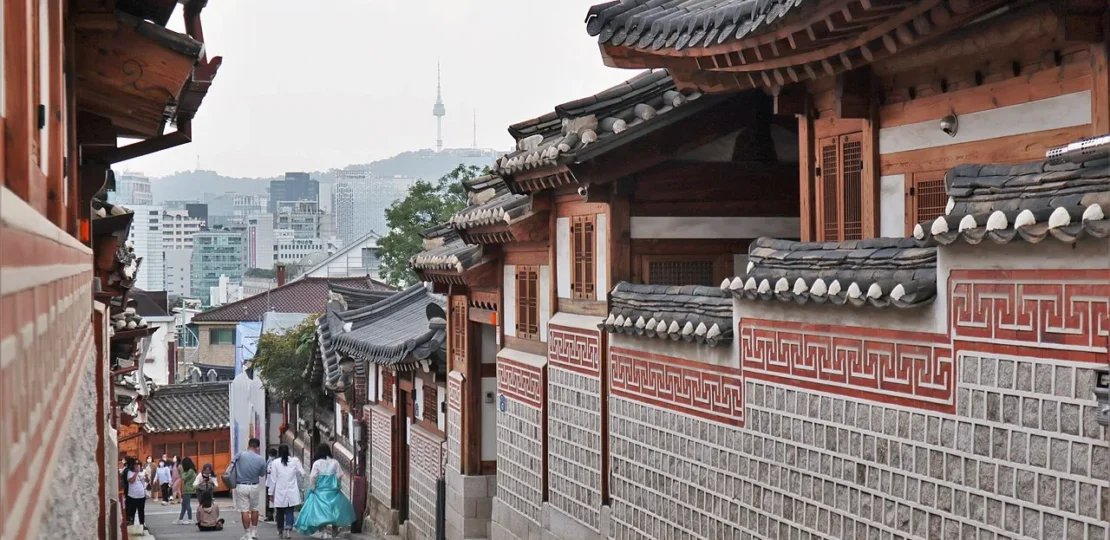
Bukchon Hanok Village (북촌한옥마을) is a hillside neighbourhood of traditional Korean houses, or hanok, between Gyeongbokgung and Changdeokgung palaces. It isn’t a theme park. People actually live here, and that’s the reason behind the visiting-hour rule that catches many visitors off guard.
Last checked: October 2026. Visiting-hour rules for Bukchon are set by Jongno-gu and the Seoul city government — check their latest notice before you go.
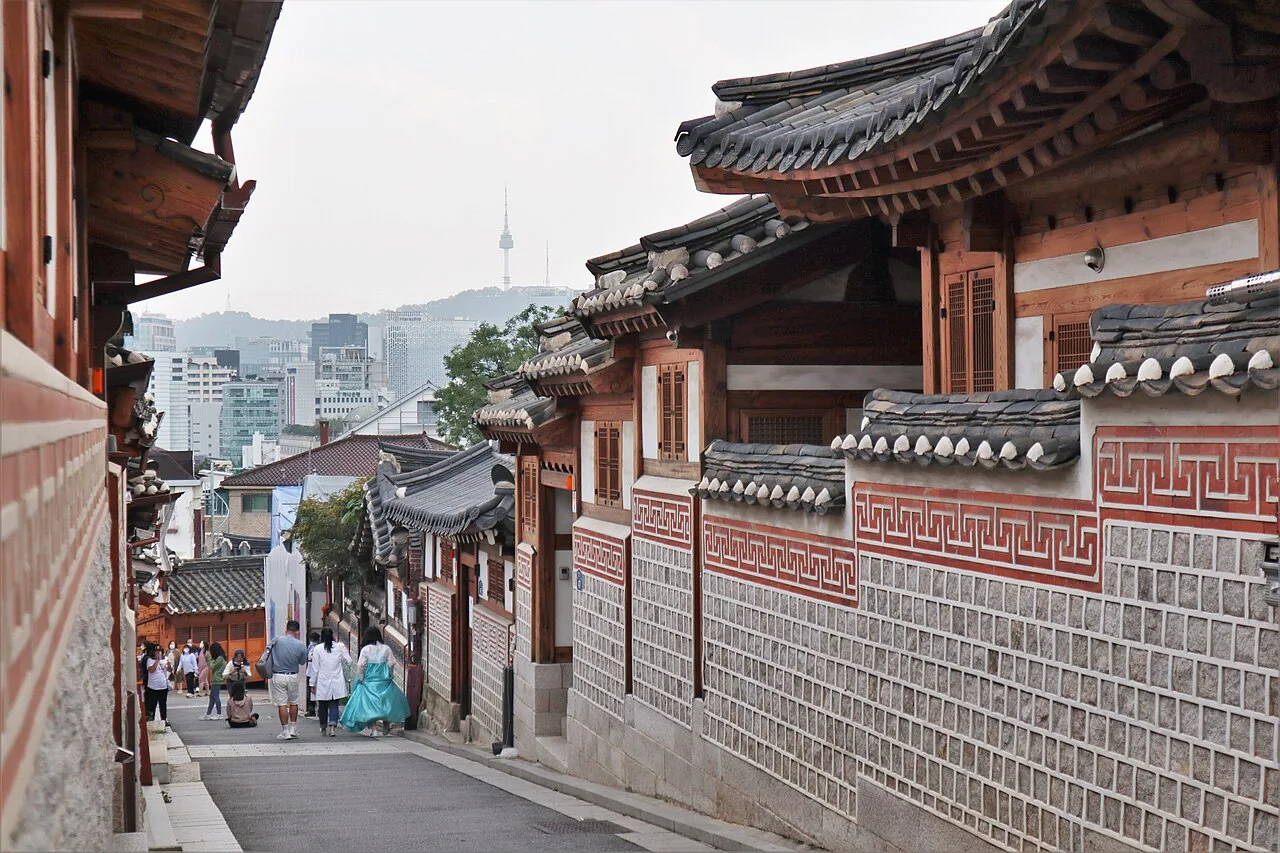
Here’s what you need to know before you go: when you’re allowed in, what the fine is, whether there’s an entrance fee, and a walking route that avoids the worst crowds.
On this page
- Quick facts
- Visiting hours and the red zone
- Etiquette: what not to do
- A walking route from Anguk Station
- Things to do in Bukchon
- Bukchon to Gyeongbokgung Palace
- FAQ
Bukchon Hanok Village quick facts
| Entrance fee | Free. It’s a public residential neighbourhood with no gate and no ticket. |
| Tourist visiting hours (red zone) | 10:00 AM – 5:00 PM |
| Fine outside those hours | 100,000 KRW for sightseeing in the red zone |
| Nearest station | Anguk Station (안국역), Line 3, Exit 2 |
| Time to allow | 1.5–2 hours for a walk, half a day with cafés and Samcheong-dong |
Bukchon visiting hours and the red zone
Overtourism became a real problem for residents, so Bukchon was designated a special management area. The most visited lanes, centred on Bukchon-ro 11-gil (북촌로11길) with its famous rooftop views, form the red zone. In the red zone, tourist visits are allowed only between 10:00 AM and 5:00 PM. Sightseeing there between 5:00 PM and 10:00 AM can bring a 100,000 KRW fine.
- The rule targets sightseeing and photography. Residents, their guests, shop customers and people staying in the area aren’t the target.
- Other parts of Bukchon outside the red zone have no fixed hours. Still, it’s a residential area, so keep evenings quiet everywhere.
- Coming by tour bus? Chartered buses have separate restrictions around the area.
In practice: plan your Bukchon walk for late morning or early afternoon, and save sunset for somewhere else, such as Naksan Park or a rooftop café in Ikseon-dong.
Etiquette: what not to do in Bukchon
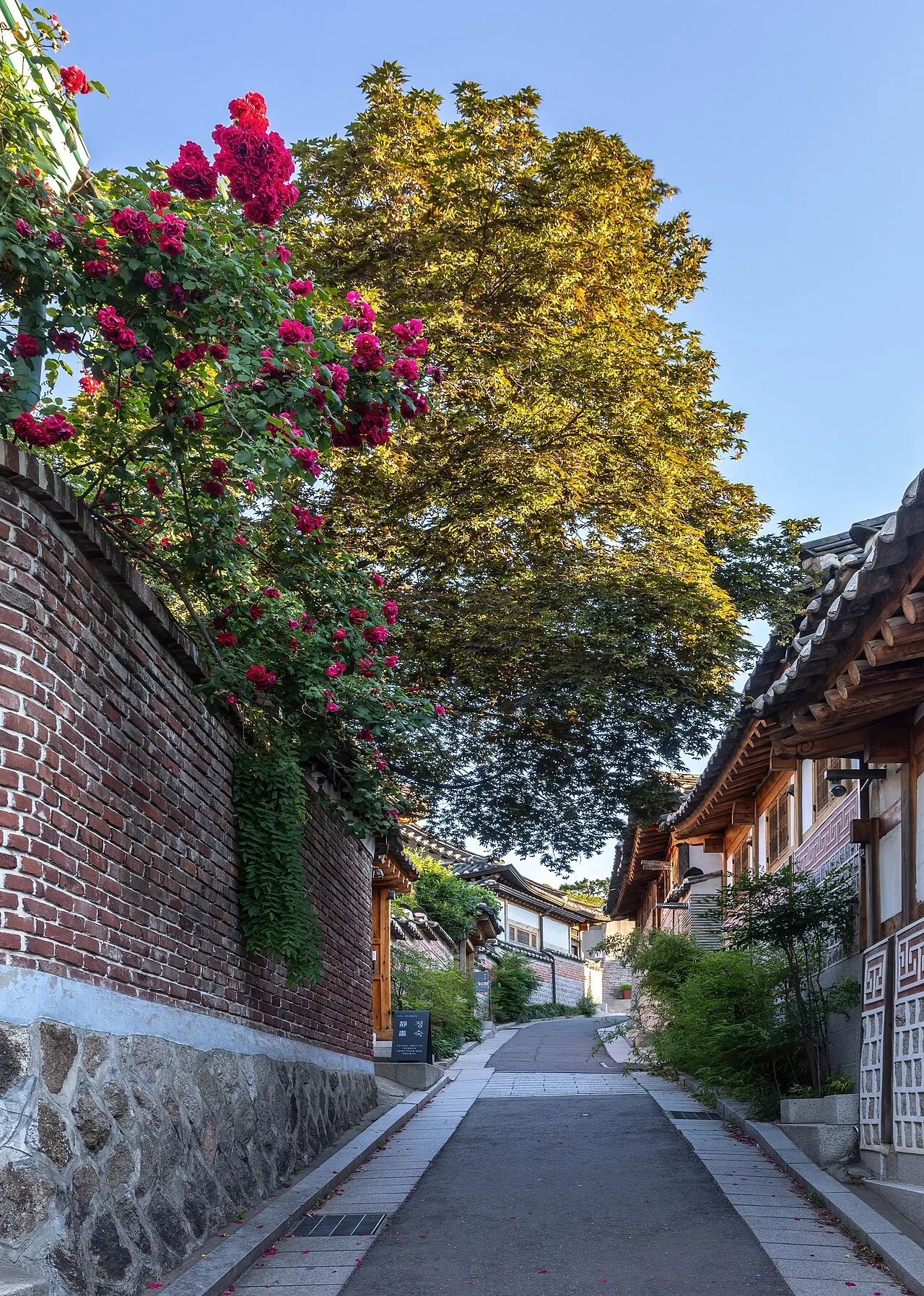
- Keep your voice down. Signs ask for quiet, and residents really do hear you through the walls.
- Don’t open doors or gates, sit on doorsteps, or peek into courtyards.
- Take your trash with you. There are very few public bins.
- Stay on the marked paths and move aside for residents and delivery scooters on the narrow slopes.
- No drones, and keep tripods and large photo setups out of the way.
A walking route from Anguk Station
- Anguk Station (안국역), Exit 2. Walk straight up Bukchon-ro (북촌로). Carrying a bag? Anguk has about 108 T-Lockers by the B2 ticket gates (how lockers work).
- Bukchon Traditional Culture Center (북촌문화센터) is a restored hanok on the left. It’s free and a good quick introduction to how these houses work.
- Gahoe-dong lanes and Bukchon-ro 11-gil: the classic rooftop views over the city. This is the red zone, so come between 10 AM and 5 PM.
- Down to Samcheong-dong (삼청동): a gentle walk downhill into a street of cafés, small galleries and boutiques.
- Finish at Gyeongbokgung Palace, about 10 minutes on from Samcheong-dong. See below.
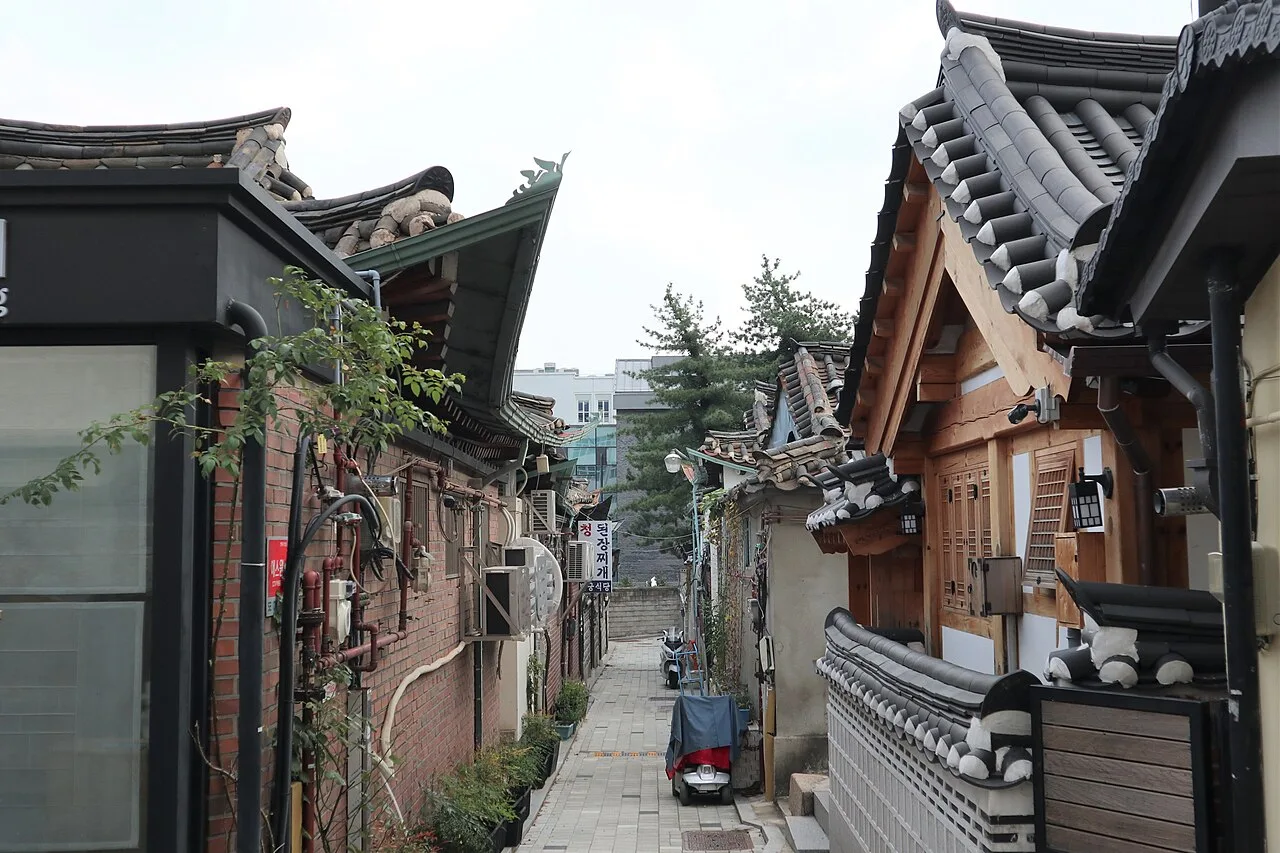
Map — Bukchon-ro 11-gil (red zone): Google Maps · Naver Map (Naver Map is still the most reliable app for walking and subway directions in Korea)
Things to do in Bukchon
- Hanok cafés: many cafés here occupy restored hanok, some with courtyard seating. Go on a weekday afternoon to get a table.
- Craft workshops: small studios offer short classes in traditional crafts such as knot-making and embroidery. Many take walk-ins, but book ahead on weekends.
- Changdeokgung Palace (창덕궁): on the eastern edge of Bukchon. Its Secret Garden tour is one of Seoul’s best and needs a reservation.
- Staying in a hanok: a few hanok guesthouses operate in and around Bukchon. If you stay in one, you’re a guest of the neighbourhood, so be extra considerate about noise at night.
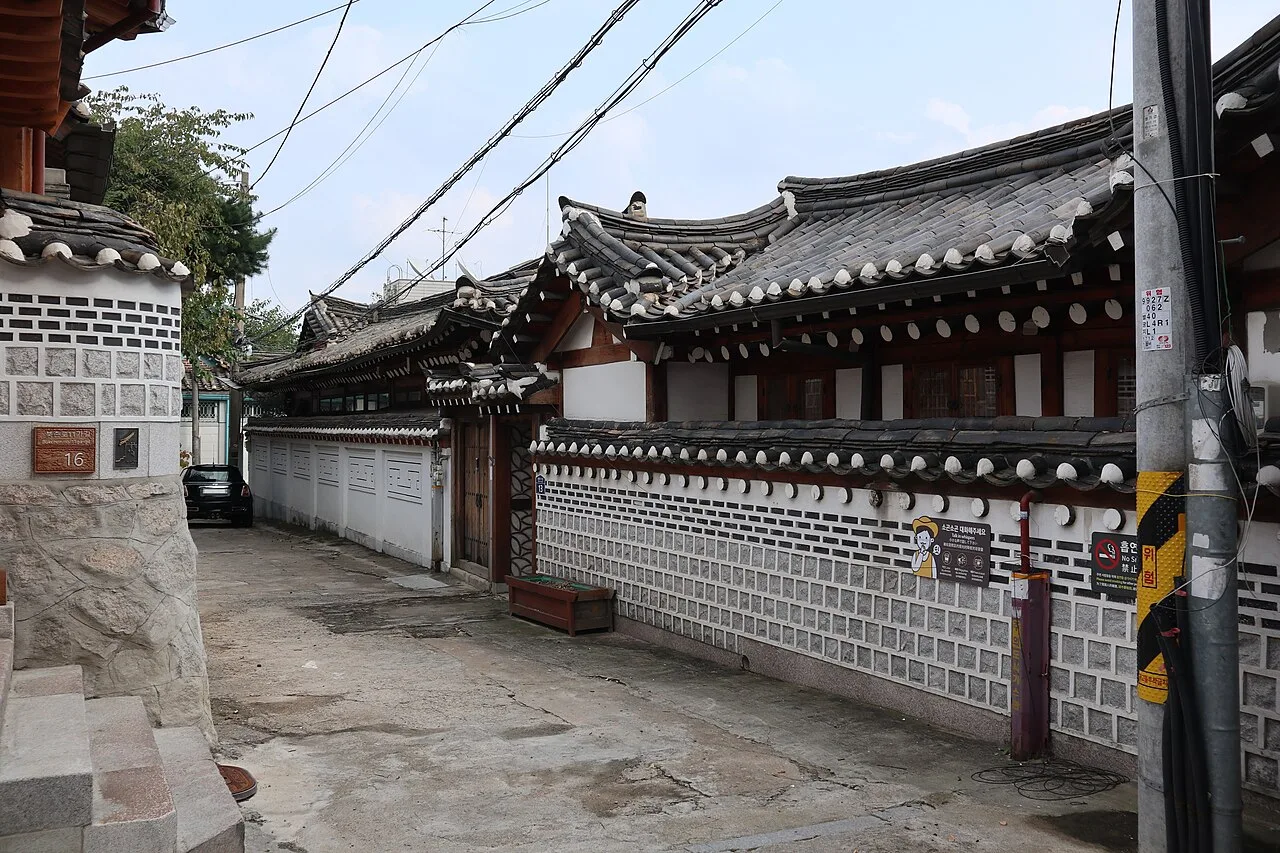
Bukchon Hanok Village to Gyeongbokgung Palace
The two pair perfectly in one day. From Bukchon, walk down through Samcheong-dong to Gyeongbokgung’s east side, about 15–20 minutes. Or start at the palace and walk up. Either way, make sure you’re in the red zone before 5 PM. Here’s our Gyeongbokgung Palace guide for tickets and guard ceremony times.
Nearby on Korea Bestie
- Gyeongbokgung Palace guide — tickets, hours and the free hanbok entry rule
- Seongsu-dong guide — cafés and pop-ups for the afternoon after Bukchon
- Seoul luggage storage — lockers at Anguk and other stations
FAQ
Is there an entrance fee for Bukchon Hanok Village?
No. It’s a public neighbourhood. Some cultural centres and workshops inside charge for their own programs.
What time does Bukchon Hanok Village close?
The village itself doesn’t “close”, but tourist visits to the red zone are limited to 10:00 AM–5:00 PM, with a 100,000 KRW fine outside those hours.
Is it worth visiting in the rain?
Yes. The stone lanes and tiled roofs look great wet, and there are fewer people. The slopes get slippery, though, so wear shoes with grip.
Sources: Seoul Metropolitan Government – Bukchon visiting restrictions notice · LocalsKorea – Bukchon hours (2026) · Korean Culture Life – Bukchon curfew rules (2026)
Photos: S h y numis / Wikimedia Commons, CC BY-SA 4.0 · Basile Morin / Wikimedia Commons, CC BY-SA 4.0 · S h y numis / Wikimedia Commons, CC BY-SA 4.0 · S h y numis / Wikimedia Commons, CC BY-SA 4.0
RELATED POSTS
View all

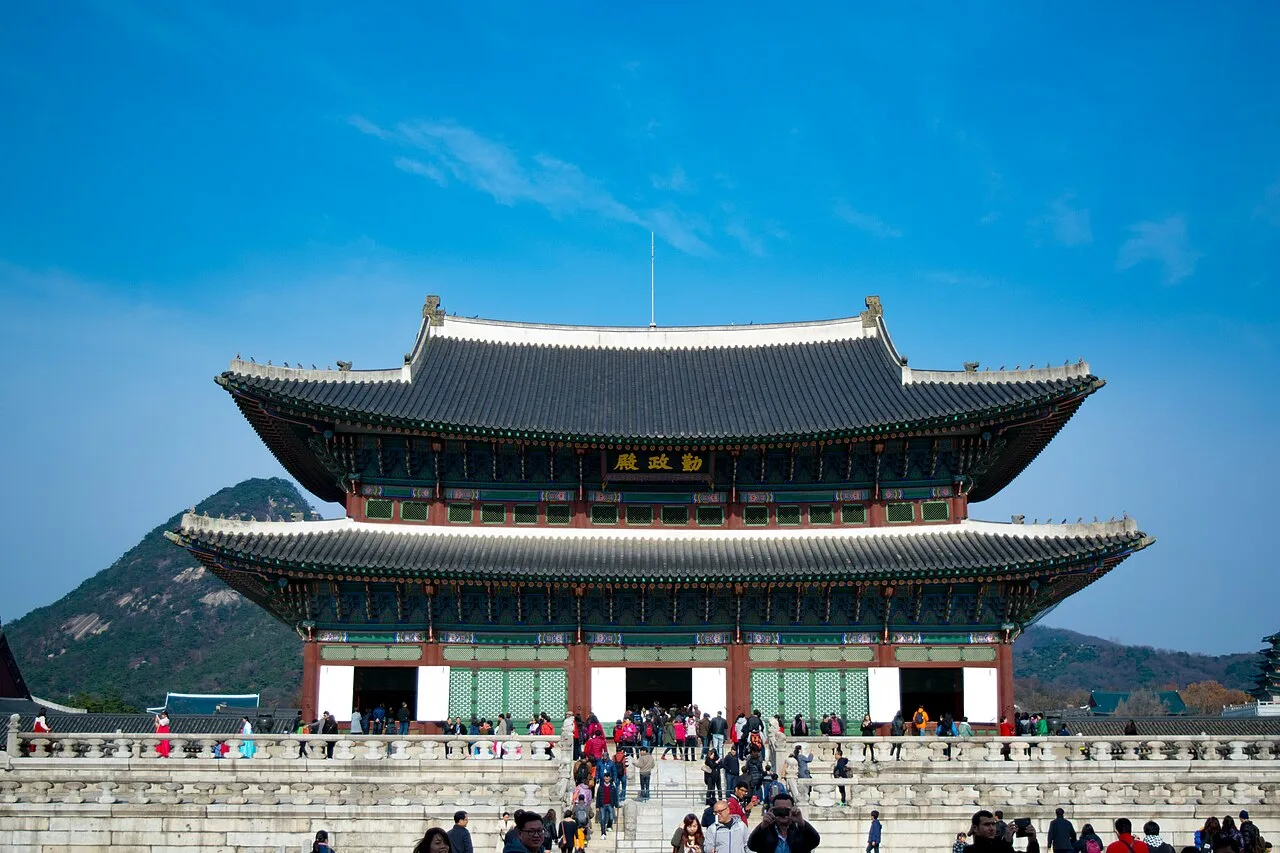
Gyeongbokgung Palace Guide: Tickets, Hours, Guard Ceremony & Free Hanbok Entry
October 13, 2026 | by Korea Bestie
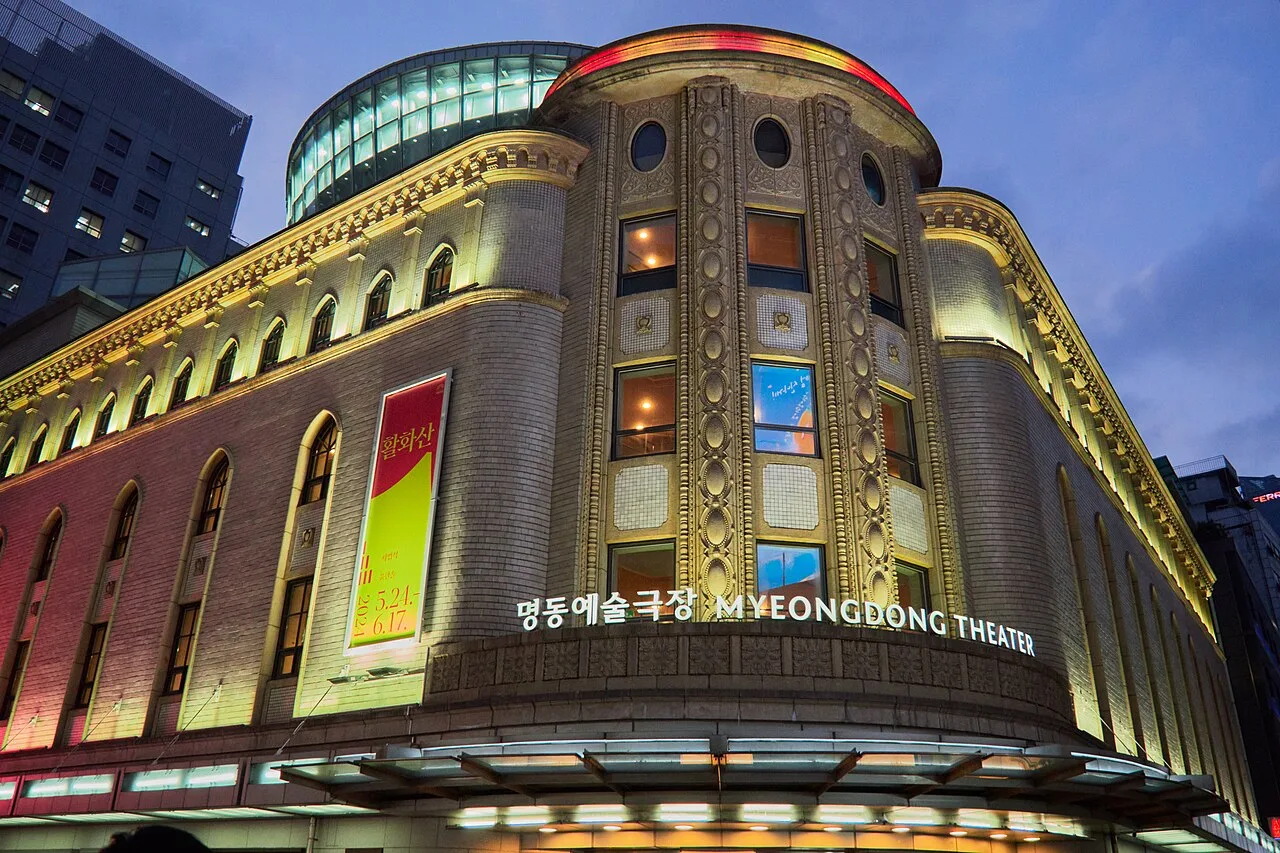
Myeongdong Luggage Storage: Myeongdong Station Lockers, T-Luggage & Prices (2026)
October 13, 2026 | by Korea Bestie