


Jeonju Hanok Village (2026): How to Get There From Seoul, What to See and Eat
November 23, 2026 | by Korea Bestie
Updated 26 November 2026 · By the Korea Bestie team
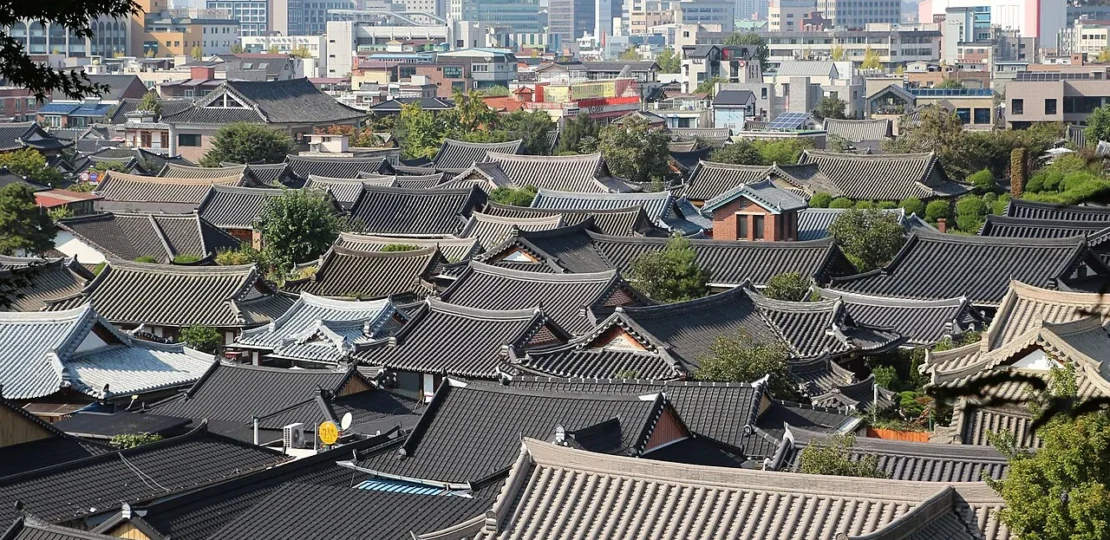
Jeonju Hanok Village (전주한옥마을) is the largest cluster of traditional Korean houses still lived in and used in a Korean city: several hundred tiled-roof hanok, many turned into cafés, craft workshops, restaurants and guesthouses. It’s also the gateway to Jeonju, often called Korea’s food capital and the home of bibimbap. With fast KTX trains from Seoul taking around 1.5 to 2 hours, it works as a long day trip, but it’s even better with a night in a hanok stay. Here’s how to get there, what to see and eat, and how to plan your visit.
Last checked: 31 October 2026. Train times and fares change; check Korail before you travel.
🇰🇷 Checked against Korean official sources · 31 October 2026
⚡ Quick answer · key facts
- What it is A large traditional-house district in central Jeonju, with palaces, a cathedral, cafés and hanok stays.
- From Seoul KTX from Yongsan (some from Seoul Station) to Jeonju, about 1.5–2 hours; then 10–20 minutes by taxi or bus.
- Must-eat Jeonju bibimbap, kongnamul gukbap (bean-sprout soup) and street snacks.
- Time needed A full day; better overnight.
- Entry The village itself is free; Gyeonggijeon Shrine charges a small fee.
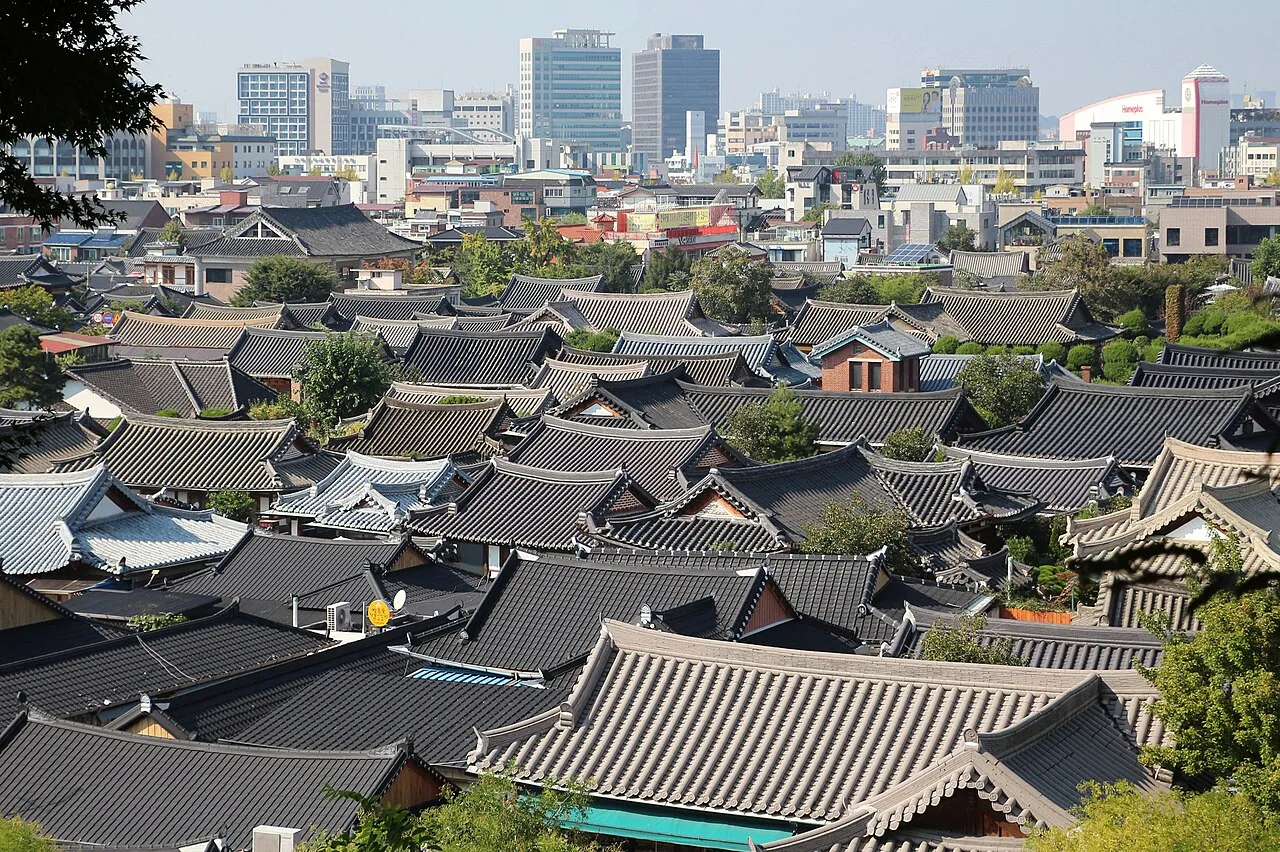
Table of contents
Why visit Jeonju Hanok Village?
Unlike Seoul’s Bukchon, where hanok are mostly private homes, Jeonju’s village is made for wandering, eating and staying. Its streets mix rooftops, stone walls and small courtyards with tea houses, makgeolli bars and shops selling hanji (traditional paper) and fans. Jeonju was the ancestral home of the Joseon dynasty’s royal family, which is why the village has a royal shrine at its centre. It’s popular with Korean visitors in hanbok, especially at weekends.
What should I see?
| Sight | What it is | Time | Tip |
|---|---|---|---|
| Gyeonggijeon Shrine | Built in 1410 to hold the portrait of King Taejo, founder of Joseon | 45–60 min | Small fee; quiet gardens and bamboo |
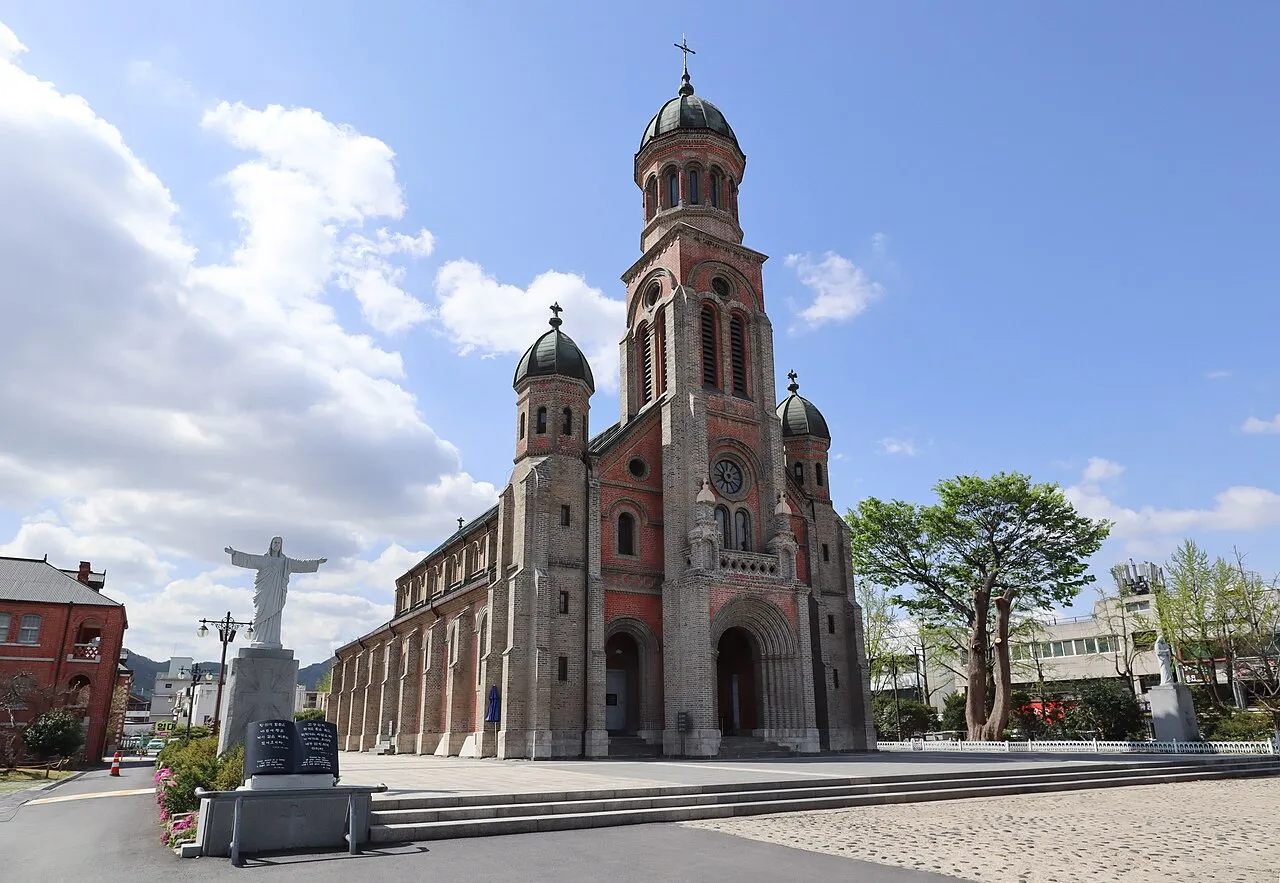
| Jeondong Cathedral | Red-brick Romanesque church completed in 1914 | 15–20 min | Lovely at golden hour |
| Omokdae | Hilltop pavilion with views over the rooftops | 20–30 min | Short climb; best at sunset |
| Jaman Mural Village | Hillside lanes with colourful murals | 30 min | Steep paths |
| Pungnammun Gate and Nambu Market | Old city gate and the traditional market | 45 min | Check night-market days before going |
What should I eat in Jeonju?
Jeonju bibimbap is the classic: rice cooked in beef broth, topped with many vegetables, beef and a raw egg yolk, served with a bowl of soup and side dishes. Kongnamul gukbap, a hot bean-sprout and rice soup, is the local breakfast and hangover cure. In the village, street snacks include grilled skewers, chocopie made by local bakeries and sweet filled pastries. Evenings are a good time for makgeolli with shared plates; Jeonju’s makgeolli houses traditionally bring more dishes with each kettle you order.
How do I get to Jeonju from Seoul?
| Option | Time | From | Watch out |
|---|---|---|---|
| KTX train | About 1 hr 30 min – 1 hr 50 min | Yongsan (most trains), some from Seoul Station | Some Honam/Jeolla line trains don’t stop at Jeonju; check the destination |
| Express bus | About 2.5–3 hours | Seoul Express Bus Terminal (Honam side) | Cheaper but slower; traffic at weekends |
From Jeonju Station, the village is about 10–20 minutes by taxi or longer by city bus; the bus terminals are a little closer. Book KTX seats in advance for weekends. Korail cut and merged KTX and SRT fares in September 2026, so check the latest prices on the Korail website or app. For bus terminal tips, see Express Bus Terminal guide.
Should I stay overnight in a hanok?
If you can, yes. Day-trippers leave by late afternoon, and the village becomes quiet and atmospheric in the evening, with lanterns along the lanes and Omokdae lit up. Hanok guesthouses usually offer floor bedding (yo) on heated ondol floors, shared or private bathrooms and sometimes breakfast. They’re cosy rather than luxurious: walls are thin and rooms are compact. If you prefer a bed, look for hanok stays that state “bed” in the room type, or stay in a modern hotel near the village.
When is the best time to visit?
Spring and autumn are the most comfortable; autumn leaves around Gyeonggijeon and Omokdae are beautiful from late October to mid-November. Summer is hot and humid. Winter is cold but quiet, and heated hanok rooms are especially cosy. Weekends are crowded; weekdays are much calmer. Jeonju hosts an international film festival in spring and a hanji festival in some years, which add crowds.
Notes for families and travellers with reduced mobility
The main lanes of the village are mostly flat and paved, so pushchairs and wheelchairs manage well on the central streets. Omokdae and Jaman Mural Village involve hills and steps. Hanok guesthouses often have raised floors, thresholds and floor bedding, which can be difficult for some travellers; ask about bed rooms and step-free access before booking.
Nearby on Korea Bestie
- Bukchon Hanok Village — Seoul’s hanok district
- Hanok stays in Seoul — sleep in a hanok
- Hanbok rental — dress the part
- Seoul to Busan by KTX — more train travel
🧮 Plan it: Korea Travel Prices · Korea Travel Budget Calculator
FAQ
How long does it take to get from Seoul to Jeonju?
About 1.5–2 hours by KTX, or 2.5–3 hours by express bus.
Is Jeonju Hanok Village worth a day trip?
Yes, though staying one night lets you enjoy the quiet evening and morning.
Is Jeonju Hanok Village free?
Yes, walking around the village is free; some sights such as Gyeonggijeon charge a small fee.
What is Jeonju famous for?
Its hanok village, bibimbap and status as Korea’s food capital.
Sources: Jeonju City – official tourism site · Korail – KTX timetables and booking · Wikipedia – Jeonju Hanok Village · Wikipedia – Gyeonggijeon · The Soul of Seoul – Jeonju guide
Photos: photos from Wikimedia Commons, credited in each caption
RELATED POSTS
View all

Strawberry Picking in Korea (2027 Season): Farms Near Seoul, Prices and Tips
November 1, 2026 | by Korea Bestie
Suwon Hwaseong Fortress (2026): Day Trip From Seoul, Tickets, Hours and the Wall Walk
October 27, 2026 | by Korea Bestie
Is the JSA (Panmunjom) Open to Tourists in 2026? Current Status and the Best DMZ Tour Instead
November 4, 2026 | by Korea Bestie