


Ikseon-dong Guide (2026): Seoul’s Hanok Café Alleys, Where to Eat and When to Go
October 23, 2026 | by Korea Bestie
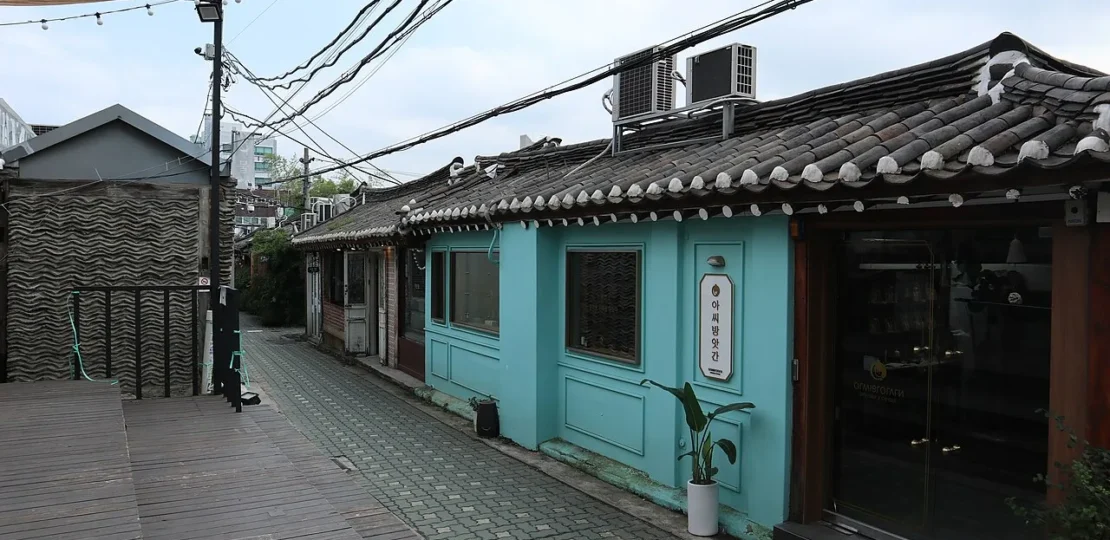
Ikseon-dong (익선동) is a tiny maze of 1920s hanok houses hidden behind Jongno’s busy streets. It’s one of the oldest hanok neighbourhoods in Seoul, and since the late 2010s its lanes have filled with cafés, dessert shops and small restaurants in renovated houses. It’s crowded and photogenic, and surprisingly easy to miss even when you’re standing next to it. Here’s how to find it, where to eat and when to go.
On this page
Last checked: October 2026. Shops here change often, so check Naver Map before you go. Dollar figures use about 1,330 KRW = 1 USD (October 2026).
First time in Korea? Start here: our step-by-step guide from landing to your first day.
How to find it
- Take the subway to Jongno 3-ga Station (Lines 1, 3, 5). Use Exit 4 or 6, walk north along Donhwamun-ro for 1–2 minutes, and turn right into the first hanok lane.
- The entrances are small gaps between modern buildings, so use Naver Map and search “익선동 한옥마을”.
Map — Ikseon-dong Hanok Village: Google Maps · Naver Map (Naver Map is still the most reliable app for walking, bus and subway directions in Korea)
Cafés worth finding
- Cheongsudang (청수당): the neighbourhood’s best-known café, entered along a path of bamboo and water. Famous for its wobbly soufflé castella (about 16,800 won, ~$12). Expect a waitlist at weekends.
- Nakwon Station (낙원역): a retro, train-themed café. Order the maple cream coffee.
- Shilla-dang Ikseon (신라당): a hanok dessert café with traditional flavours like citron and misutgaru (roasted grain).
- Jayeondo Salt Bread (자연도소금빵): queues for salt bread rolls. Go early, when the first batches come out.
Coffee in Ikseon-dong typically costs 5,500–8,000 won (~$4–6).
Where to eat
- Oncheonjip (온천집): one of the most popular restaurants in the lanes, serving sukiyaki and shabu-shabu in a hanok with a garden. Book or queue early.
- Stone-pot rice, katsu and modern Korean: the lanes have several small restaurants; expect around 12,000–25,000 won per person.
- Pojangmacha tents appear on Jongno’s main road in the evening for soju and snacks.
Hanbok rental
Several shops in and around Ikseon-dong rent hanbok for a few hours (about 15,000–20,000 won basic, 25,000–35,000 won premium). Wearing hanbok gets you into the nearby palaces free: Changdeokgung is 10 minutes away.
When to go
| Time | What it’s like |
|---|---|
| Weekday mornings before 11:00 | Quietest; some cafés not yet open |
| Weekdays 11:00–17:00 | Good balance |
| Weekday evenings | Best atmosphere, lanterns and bars |
| Weekend afternoons | Very busy: 30–60 minute waits at famous cafés |
Good to know
- People live here. Keep your voice down in the residential lanes and don’t go through closed doors.
- Accessibility: lanes are narrow and uneven, and many cafés have steps or floor seating. Strollers fit, but slowly at busy times.
- Most shops take foreign cards; small stalls may prefer cash.
Combine it with
- Jongmyo Shrine (5 minutes), Changdeokgung (10 minutes) and Insadong (10 minutes) for a full Jongno day.
- Staying nearby? See hanok stays in Seoul.
Nearby on Korea Bestie
- Insadong guide — tea houses and souvenirs
- Jongmyo Shrine — the royal shrine next door
- Changdeokgung and the Secret Garden — the green palace
- Hanok stays in Seoul — sleep in a traditional house
How long should you spend in Ikseon-dong?
The lanes themselves take 20–30 minutes to walk; most visitors stay 1–2 hours for a café or a meal. It’s small, so it pairs naturally with nearby sights rather than filling a whole day.
A short walk from Ikseon-dong
- Start in the Ikseon-dong lanes with coffee or brunch.
- Walk five minutes to Nagwon Arcade, Seoul’s old musical-instrument market, right on the edge of the neighbourhood.
- Continue to Jongmyo Shrine (closed Tuesdays; weekday entry is by guided tour): see our Jongmyo guide.
- Finish with dinner at Gwangjang Market, about 15 minutes east (what to eat).
This is the same idea as our Ikseon-dong, Jongmyo and Gwangjang route, which has a numbered map.
How can you visit respectfully?
- People still live in some of these houses: keep your voice down, especially in the evening.
- Don’t block narrow lanes for photos, and don’t open gates or doors that aren’t shopfronts.
- Popular cafés use waiting lists; put your name down and explore instead of queueing in the lane.
How much will this trip cost?
Pick your group, nights, hotel type and food style — get a realistic budget range in seconds.
FAQ
How do I get to Ikseon-dong?
Jongno 3-ga Station (Lines 1, 3, 5), Exit 4 or 6, then a 1–2 minute walk north along Donhwamun-ro.
What is the most famous café in Ikseon-dong?
Cheongsudang, known for its bamboo-and-water entrance and soufflé castella.
Is Ikseon-dong worth visiting?
Yes, for a couple of hours of cafés and hanok lanes, ideally on a weekday. Combine it with Jongmyo and Insadong.
Free: Seoul in 3 Days planner (PDF)
A 4-page printable plan with timings, closed days, Korean names to show taxi drivers, a budget and rainy-day swaps. Enter your email and we’ll send it, plus occasional new Korea guides (unsubscribe anytime).
Sources: Seoul Tourism – Ikseon-dong guide (Sep 2026) · Trazy – Ikseon-dong guide · KoreaPeek – Ikseon-dong cafés 2026 · Polle – Oncheonjip
Photos: S h y numis / Wikimedia Commons, CC BY-SA 4.0 · S h y numis / Wikimedia Commons, CC BY-SA 4.0
RELATED POSTS
View all

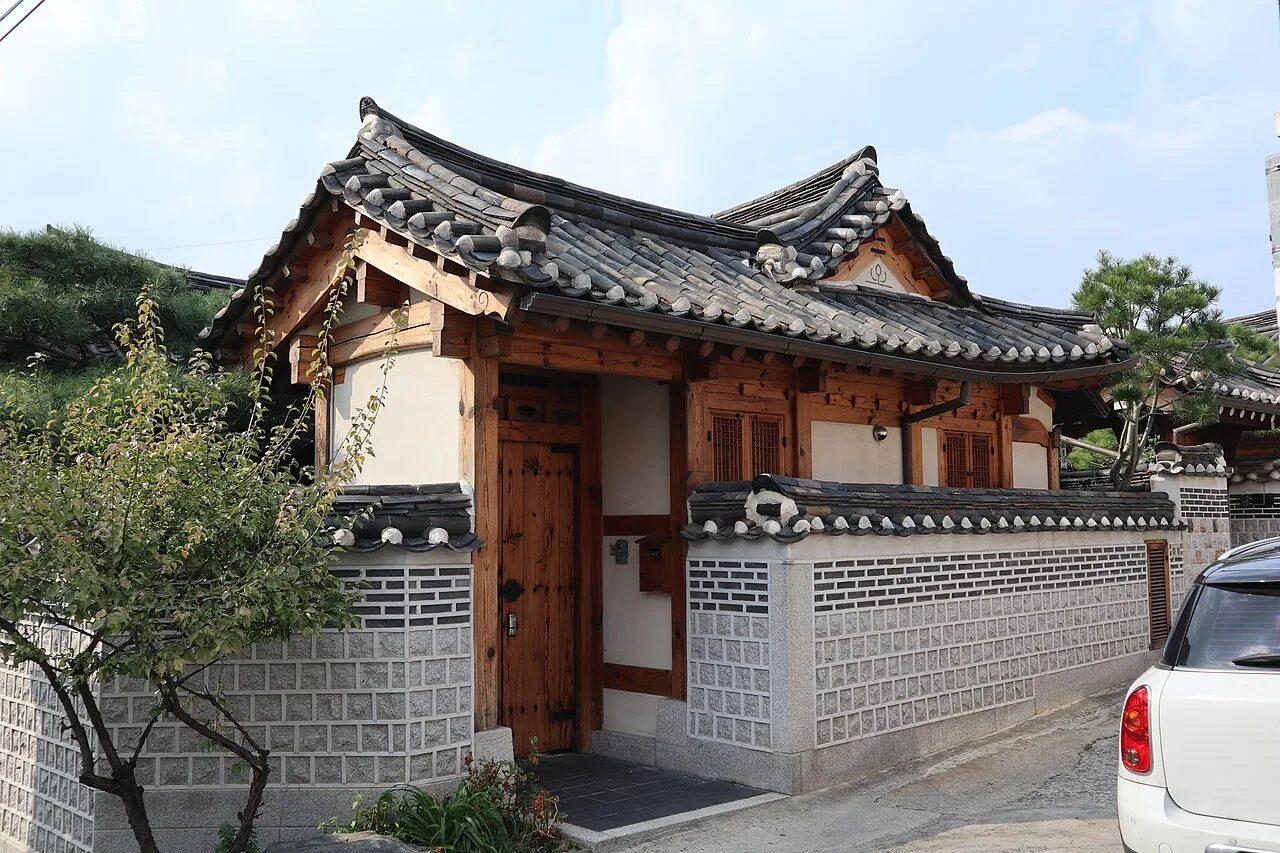
Hanok Stay in Seoul (2026): 8 Traditional Korean Houses to Book in Bukchon, Seochon and Ikseon-dong
October 22, 2026 | by Korea Bestie

Myeongdong Guide (2026): Things to Do, Eat and Shop in Seoul’s Busiest Shopping District
October 22, 2026 | by Korea Bestie
Euljiro, Seoul (2026): Hipjiro Bars, Nogari Alley and the Old Printing Lanes
October 28, 2026 | by Korea Bestie